
Coronary Angioplasty & Stenting
Table of Contents
Toggle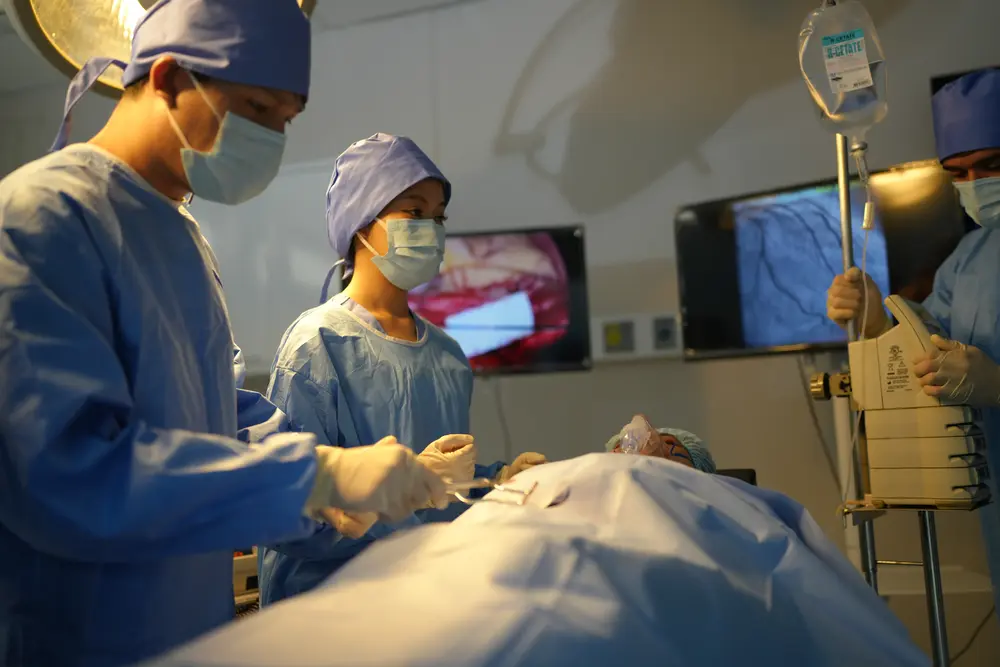
What Are Coronary Angioplasty and Stenting?
Coronary angioplasty and stenting are procedures used to improve blood flow in narrowed or blocked coronary arteries, which are the blood vessels that supply the heart muscle.
Coronary angioplasty involves using a small balloon attached to a catheter to widen a narrowed section of a coronary artery. In many cases, a stent, which is a small mesh tube, is placed within the artery to help keep it open after the balloon is expanded.
These procedures are commonly performed as part of the treatment for coronary artery disease and may help restore blood flow to areas of the heart affected by narrowed or blocked arteries.
Coronary angioplasty and stenting are often performed following cardiac catheterisation and coronary angiography, which help identify the location and severity of artery narrowing.
Why Might Coronary Angioplasty & Stenting Be Recommended?
A doctor may recommend coronary angioplasty and stenting when narrowed or blocked coronary arteries are affecting blood flow to the heart.
The procedures may be considered for people with:
- Chest pain or angina related to reduced blood flow
- Coronary artery disease
- Significant narrowing identified during coronary angiography
- Symptoms suggestive of blocked arteries
- Certain types of heart attack requiring restoration of blood flow
Coronary angioplasty and stenting may help:
- Improve blood flow to the heart muscle
- Relieve symptoms associated with reduced blood supply
- Reduce the impact of severe artery narrowing in selected situations
The suitability of these procedures depends on factors such as the location and severity of the blockage, the patient’s overall health, and other treatment considerations.
What Can Patients Expect During the Procedure?
Coronary angioplasty and stenting are typically performed in a specialised cardiac procedure room.
During the procedure:
- A catheter is inserted into a blood vessel, commonly through the wrist or groin
- The catheter is guided towards the coronary arteries using imaging guidance
- A small balloon is inflated at the narrowed area to widen the artery
- A stent may be placed to help support the artery and maintain blood flow
Patients are usually awake during the procedure, although medication may sometimes be given to help them remain comfortable and relaxed.
Some patients may notice:
- Mild pressure at the catheter insertion site
- Temporary chest discomfort during balloon inflation
- A brief warm sensation from contrast dye used during imaging
The procedure duration may vary depending on the number and complexity of the narrowed arteries being treated.
Doctor confirmation may be required for:
- Sedation methods used
- Whether wrist or groin access is planned
- Expected procedure duration
- Admission or discharge arrangements
- Type of stent used where applicable
Preparing for Coronary Angioplasty & Stenting
Preparation requirements may vary depending on the patient’s condition and the planned procedure.
Patients may be advised regarding:
- Eating or drinking before the procedure
- Medication adjustments where necessary
- Blood tests or pre-procedure investigations
- Arrangements for recovery after the procedure
Patients should inform their healthcare team about:
- Allergies, including previous reactions to contrast dye
- Kidney conditions
- Bleeding disorders
- Current medications, particularly blood thinners or diabetes medications
Specific preparation instructions should be confirmed with the treating doctor or healthcare team before the procedure.
What Happens After the Procedure?
After the procedure, patients are monitored while the catheter insertion site is checked for bleeding or swelling.
Depending on the individual situation:
- Some patients may require observation in hospital
- Monitoring may include blood pressure, heart rhythm, and symptoms
- Medications may be prescribed to support recovery and reduce the risk of future artery blockage
Patients may receive guidance regarding:
- Physical activity after the procedure
- Care of the catheter insertion site
- Follow-up appointments
- Lifestyle measures related to heart health
- Ongoing medication use where appropriate
Recovery and follow-up plans vary depending on the patient’s overall condition and the complexity of the procedure.

Key Considerations and Risks
Coronary angioplasty and stenting are commonly performed procedures, but like all invasive procedures, they carry potential risks and limitations.
Possible considerations may include:
- Bleeding or bruising at the catheter insertion site
- Blood vessel injury
- Allergic reaction to contrast dye
- Irregular heart rhythms during or after the procedure
- Blood clot formation within the treated artery or stent
- Re-narrowing of the artery over time in some cases
- Kidney-related concerns associated with contrast dye
The overall risks vary depending on the patient’s age, medical history, underlying heart condition, and the complexity of the artery blockage being treated.
Patients are encouraged to discuss the potential benefits, risks, and alternatives with their cardiologist before proceeding.
When to Seek Medical Assessment
Symptoms such as chest pain, chest tightness, shortness of breath, reduced exercise tolerance, or unexplained fatigue may sometimes be associated with reduced blood flow to the heart.
Coronary angioplasty and stenting may be considered as part of the management of blocked or narrowed coronary arteries in selected patients.
Patients with ongoing symptoms or concerns about their cardiovascular health may wish to speak with the team at Dr. Gerard Leong Cardiology Clinic to determine whether further evaluation is appropriate.
Depending on the clinical situation, additional assessment may include heart check-ups, investigations for heart disease symptoms, high blood pressure evaluation, or cardiac catheterisation and coronary angiography.
Frequently Asked Questions
Is coronary angioplasty the same as open-heart surgery?
Coronary angioplasty is generally considered a minimally invasive procedure performed using catheters inserted through blood vessels. It is different from open-heart surgery.
What is the purpose of a stent?
A stent is a small mesh tube that may be placed inside a coronary artery to help keep the artery open after angioplasty.
Will I be awake during the procedure?
Patients are commonly awake during the procedure, although medication may sometimes be given to help them remain comfortable and relaxed.
Can blocked arteries return after stenting?
In some cases, arteries may narrow again over time even after treatment. Ongoing follow-up and management may still be important after the procedure.
Are medications still needed after coronary angioplasty and stenting?
Some patients may require ongoing medications after the procedure depending on their medical condition and overall cardiovascular risk. Medication recommendations should be discussed with the treating doctor.