
Holter Monitoring
Table of Contents
Toggle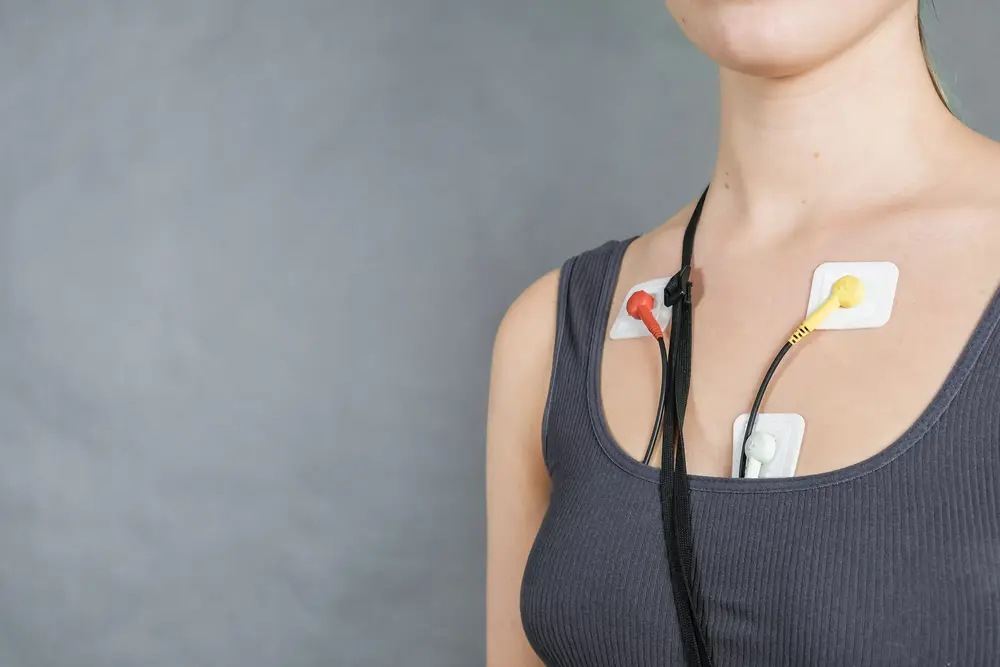
What Is Holter Monitoring?
Holter monitoring is a portable heart monitoring test that continuously records the heart’s electrical activity over a period of time, often for 24 hours or longer. It is commonly used when symptoms may not appear during a standard electrocardiogram (ECG) performed during a clinic visit.
The monitor is worn while patients go about their usual daily routines, allowing the heart rhythm to be observed over an extended period. Small adhesive electrodes are placed on the chest and connected to a compact recording device that is carried or worn throughout the monitoring period.
Holter monitoring may be used as part of a broader assessment for symptoms such as palpitations, dizziness, fainting episodes, chest discomfort, or unexplained shortness of breath. In some cases, it may also support the evaluation of underlying heart disease symptoms or irregular heart rhythms.
Why Might Holter Monitoring Be Recommended?
A doctor may recommend Holter monitoring when there is a need to assess the heart rhythm beyond what can be captured during a routine ECG.
It may be considered for people experiencing:
- Palpitations or episodes of a rapid heartbeat
- Dizziness or light-headedness
- Fainting or near-fainting episodes
- Unexplained chest discomfort
- Intermittent shortness of breath
- Symptoms that may suggest an irregular heart rhythm
Holter monitoring may also be used:
- As part of the assessment for certain heart conditions
- To evaluate previously identified rhythm abnormalities
- To monitor heart rhythm following selected treatments or procedures
- Alongside investigations related to high blood pressure or blocked arteries in some patients
Because the monitor records continuously over an extended period, it may help identify rhythm changes that occur only occasionally and may not appear during a short clinic-based ECG.
What Can Patients Expect During the Test?
Holter monitoring is generally performed as an outpatient test and does not usually require hospital admission.
During the appointment:
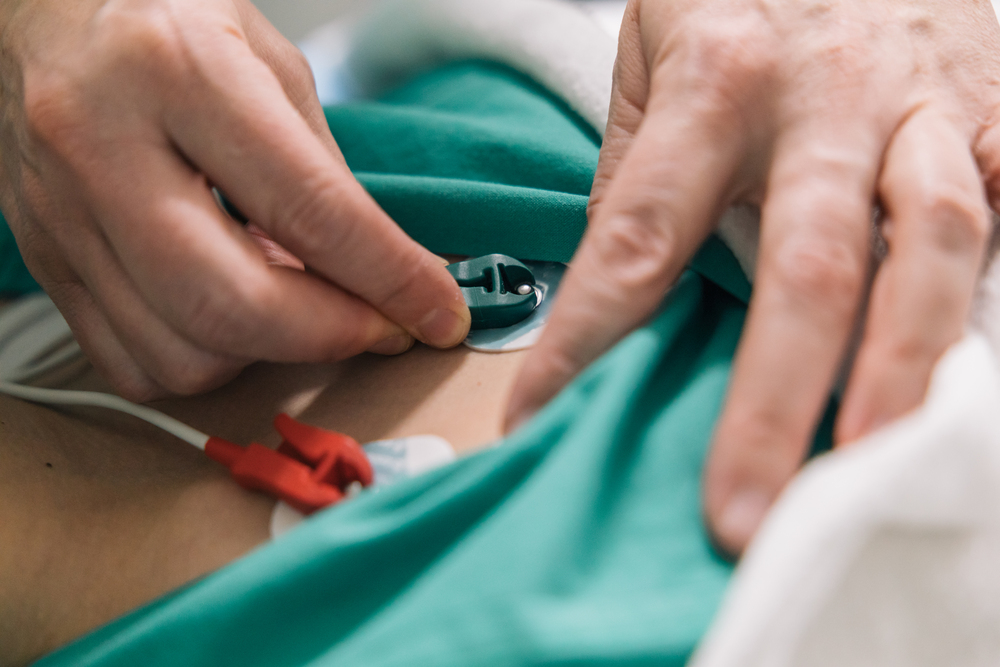
- Small adhesive electrodes are attached to the chest
- The electrodes are connected to a portable recording device
- The device continuously records the heart’s electrical activity throughout the monitoring period
Patients are usually encouraged to continue their usual daily activities where possible, as this may help capture heart rhythm changes that occur during normal routines, physical activity, stress, or sleep.
In many cases, patients may also be asked to keep a diary of:
- Symptoms experienced during the monitoring period
- The time symptoms occur
- Activities being performed at the time of symptoms
This information can help correlate symptoms with any rhythm changes detected on the recording.
Holter monitoring itself is non-invasive and does not involve injections or surgical procedures.
Preparing for Holter Monitoring
Preparation requirements may vary depending on the patient’s condition and the clinic’s protocol.
In general, patients may be advised to:
- Wear loose and comfortable clothing
- Avoid applying lotions or oils to the chest area before electrode placement
- Keep the monitoring device attached throughout the recording period
- Continue medications unless otherwise advised by their doctor
Because the monitor contains electronic equipment, certain activities involving water exposure may need to be avoided while wearing the device.
Patients should follow the specific instructions provided by their healthcare team.
Doctor confirmation may be required for:
- Exact monitoring duration
- Showering or bathing instructions
- Exercise limitations, if any
- Whether medication adjustments are needed before testing
What Happens After Holter Monitoring?
At the end of the monitoring period, the recording device and electrodes are removed.
The recorded information is then analysed together with the patient’s symptom diary, medical history, and other test findings. The results may help identify:
- Irregular heart rhythms
- Episodes of unusually fast or slow heartbeats
- Rhythm changes associated with symptoms
- Heart rhythm patterns occurring during sleep or activity
Depending on the findings, further investigations or follow-up may sometimes be recommended. In some situations, Holter monitoring results may be reviewed alongside other cardiac assessments such as heart check-ups or blood pressure monitoring.
Holter monitoring itself does not treat heart conditions, but it may provide useful information to guide further evaluation or management decisions.
Key Considerations and Limitations
Holter monitoring is commonly used and is generally considered low risk because it is non-invasive. However, like all diagnostic tests, there are some limitations and considerations patients should be aware of.
Symptoms May Not Occur During the Monitoring Period
Some symptoms, such as palpitations or dizziness, may happen unpredictably. If symptoms do not occur while the monitor is being worn, certain rhythm abnormalities may not be captured during the test.
Some Rhythm Changes May Be Difficult to Detect
Certain heart rhythm abnormalities occur very infrequently. In some situations, longer-term monitoring or additional cardiac investigations may still be recommended if symptoms persist.
Mild Skin Irritation May Occasionally Occur
The adhesive electrodes attached to the chest may sometimes cause temporary skin irritation, redness, or mild discomfort, particularly in patients with sensitive skin.
Holter Monitoring Does Not Assess All Heart Conditions
Holter monitoring focuses on recording the heart’s electrical activity and rhythm patterns. It does not directly evaluate blocked arteries, blood flow problems, or structural heart conditions.
Additional Tests May Still Be Needed
The results are interpreted together with the patient’s symptoms, medical history, and other investigations. Depending on the clinical situation, further testing may sometimes be recommended.
Patients should seek medical attention promptly if they experience severe chest pain, significant breathlessness, fainting, or other concerning symptoms during or after monitoring.
When to Seek Medical Assessment
Symptoms such as palpitations, dizziness, fainting episodes, chest discomfort, or unexplained shortness of breath may sometimes require further evaluation, particularly if they occur repeatedly or interfere with daily activities.
Holter monitoring may be one of several tests used to assess heart rhythm changes over time. Patients with ongoing symptoms or concerns about their heart health may wish to speak with the team at Dr. Gerard Leong Cardiology Clinic to determine whether further assessment is appropriate.
Depending on the clinical situation, additional evaluation may include a heart check-up, assessment for high blood pressure, or investigations related to heart disease symptoms and blocked arteries.

Frequently Asked Questions
Is Holter monitoring painful?
Holter monitoring is generally not painful. Some patients may notice mild discomfort or skin irritation from the adhesive electrodes attached to the chest.
Can I continue normal activities while wearing the monitor?
Patients are usually encouraged to continue their regular daily activities unless advised otherwise by their doctor. This may help capture heart rhythm changes during normal routines.
Can I sleep while wearing the monitor?
The monitor is typically worn continuously throughout the recording period, including during sleep.
What symptoms should I record during the test?
Patients may be asked to record symptoms such as palpitations, dizziness, chest discomfort, fainting episodes, or shortness of breath, along with the time they occur and the activity being performed.
Does a normal Holter monitoring result rule out all heart conditions?
A normal result may provide reassurance in some situations, but it does not rule out every heart condition. Some rhythm changes or symptoms may occur outside the monitoring period and may require further assessment if symptoms persist.