
Cardiac Rhythm Device
Table of Contents
Toggle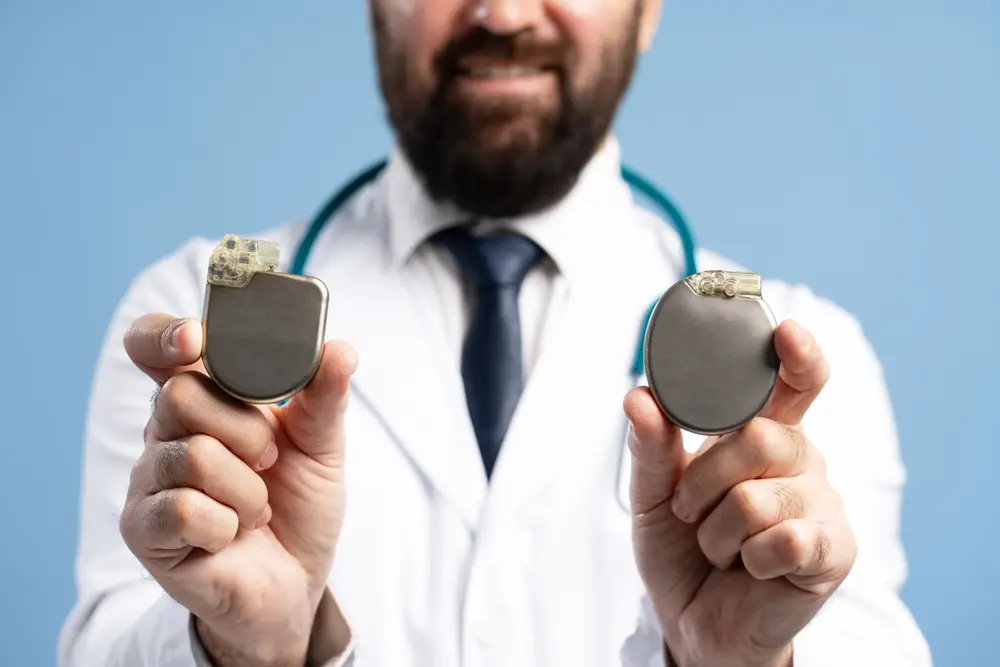
What Is a Cardiac Rhythm Device?
A cardiac rhythm device is an implanted device used to help monitor or regulate abnormal heart rhythms.
These devices are commonly used for certain heart rhythm conditions that affect how the heart beats. Depending on the condition being treated, a cardiac rhythm device may help maintain a more stable heart rhythm, support heart function, or reduce the risk of complications related to rhythm disturbances.
Examples of cardiac rhythm devices may include:
- Pacemakers
- Implantable cardioverter defibrillators (ICDs)
- Selected cardiac resynchronisation therapy (CRT) devices
The type of device recommended depends on the patient’s heart condition, symptoms, and overall clinical assessment.
Why Might a Cardiac Rhythm Device Be Recommended?
A doctor may recommend a cardiac rhythm device for selected patients with heart rhythm abnormalities or problems affecting the heart’s electrical system.
A device may be considered for people with:
- Abnormally slow heart rhythms
- Certain irregular heart rhythms
- Fainting episodes related to rhythm disturbances
- Heart rhythm disorders associated with dizziness or fatigue
- Certain heart failure conditions affecting heart rhythm coordination
- Increased risk of dangerous arrhythmias in selected situations
Cardiac rhythm devices may help:
- Support a more stable heart rhythm
- Reduce symptoms related to abnormal heartbeats
- Improve coordination of heart contractions in selected patients
- Respond to potentially dangerous rhythm disturbances in some cases
The suitability of a device depends on factors such as the type of arrhythmia, underlying heart condition, symptoms, and overall cardiovascular health.

What Can Patients Expect During the Procedure?
Cardiac rhythm devices are typically implanted during a minimally invasive procedure performed in a specialised cardiac procedure room.
During the procedure:
- A small incision is usually made near the upper chest area
- Leads or wires may be guided through blood vessels into the heart
- The device is connected and positioned beneath the skin
- The device settings are tested and adjusted where appropriate
Patients may receive medication to help them remain comfortable during the procedure.
Some patients may notice:
- Mild discomfort or pressure around the insertion area
- Temporary soreness after implantation
- Restrictions on certain arm movements during the early recovery period
Procedure duration and recovery arrangements vary depending on the type of device and the patient’s condition.
Doctor confirmation may be required for:
- Specific device type recommended
- Sedation or anaesthesia methods used
- Expected hospital stay
- Activity restrictions after implantation
- Follow-up monitoring arrangements
Preparing for Cardiac Rhythm Device Implantation
Preparation requirements may vary depending on the patient’s condition, medications, and the type of device planned.
Patients may be advised regarding:
- Eating or drinking before the procedure
- Medication adjustments where necessary
- Blood tests or heart investigations before implantation
- Arrangements for recovery after the procedure
Patients should inform their healthcare team about:
- Current medications, including blood thinners
- Existing medical conditions
- Previous cardiac procedures
- Allergies or implanted medical devices
Specific preparation instructions should be confirmed with the treating doctor or healthcare team before the procedure.
What Happens After Device Implantation?
After implantation, patients are monitored while the device function and implantation site are assessed.
Depending on the clinical situation:
- Some patients may require overnight observation
- Follow-up appointments are commonly arranged to check device function
- Device settings may be adjusted over time where necessary
Patients may receive guidance regarding:
- Care of the implantation site
- Physical activity after the procedure
- Device monitoring and follow-up checks
- Situations where medical advice should be sought
Long-term follow-up is typically important to monitor device performance and the patient’s heart rhythm condition.

Key Considerations and Risks
Cardiac rhythm device implantation is commonly performed, but like all invasive procedures, it carries potential risks and limitations. The overall risks vary depending on the patient’s medical condition, the type of device implanted, and the complexity of the procedure.
Bleeding or Bruising at the Implantation Site
Because the procedure involves creating a small incision and inserting device leads, some patients may experience mild bleeding, bruising, swelling, or tenderness around the implantation area after the procedure.
Infection
There is a potential risk of infection at the implantation site or around the device itself, although this is generally uncommon. Patients are usually monitored for signs of redness, swelling, or fever during recovery.
Lead Displacement or Device-Related Complications
The leads connected to the device may occasionally shift position after implantation. In some situations, device-related complications may affect how the device functions and require further evaluation.
Blood Vessel Injury
Although uncommon, there is a small risk of injury to nearby blood vessels during lead insertion and placement within the heart and circulation.
Device Malfunction or Battery-Related Issues
Cardiac rhythm devices rely on battery power and electronic components to function properly. Over time, battery depletion or device malfunction may require monitoring, adjustment, or replacement.
Future Device Replacement or Adjustment
Some patients may require future procedures to replace the device battery, adjust settings, or manage changes related to the patient’s heart rhythm condition over time.
Patients are encouraged to discuss the potential benefits, risks, and alternatives with their cardiologist before proceeding.
When to Seek Medical Assessment
Symptoms such as dizziness, fainting, unexplained fatigue, palpitations, or episodes of slow or irregular heartbeat may sometimes be related to underlying heart rhythm disorders.
Cardiac rhythm devices may be considered for selected patients with rhythm abnormalities that affect heart function or increase the risk of complications.
Patients with ongoing concerns about abnormal heart rhythms may wish to speak with the team at Dr. Gerard Leong Cardiology Clinic to determine whether further evaluation is appropriate.
Depending on the clinical situation, additional assessment may include Holter monitoring, investigations for heart disease symptoms, or other cardiac rhythm evaluations.
Frequently Asked Questions
What is the difference between a pacemaker and an ICD?
A pacemaker is commonly used to help regulate slow heart rhythms, while an implantable cardioverter defibrillator (ICD) may also respond to certain dangerous fast heart rhythms.
Will I be awake during the implantation procedure?
Patients may remain awake with medication for comfort during the procedure, although approaches may vary depending on the clinical situation.
Can I continue daily activities after receiving a cardiac rhythm device?
Many patients are able to return to normal daily activities after recovery, although temporary activity restrictions may apply after implantation.
How long does a cardiac rhythm device last?
Device lifespan varies depending on the type of device, usage, and battery function. Regular follow-up checks are typically needed.
Will I need long-term follow-up after implantation?
Patients with cardiac rhythm devices usually require ongoing follow-up appointments to monitor device performance and heart rhythm status.