
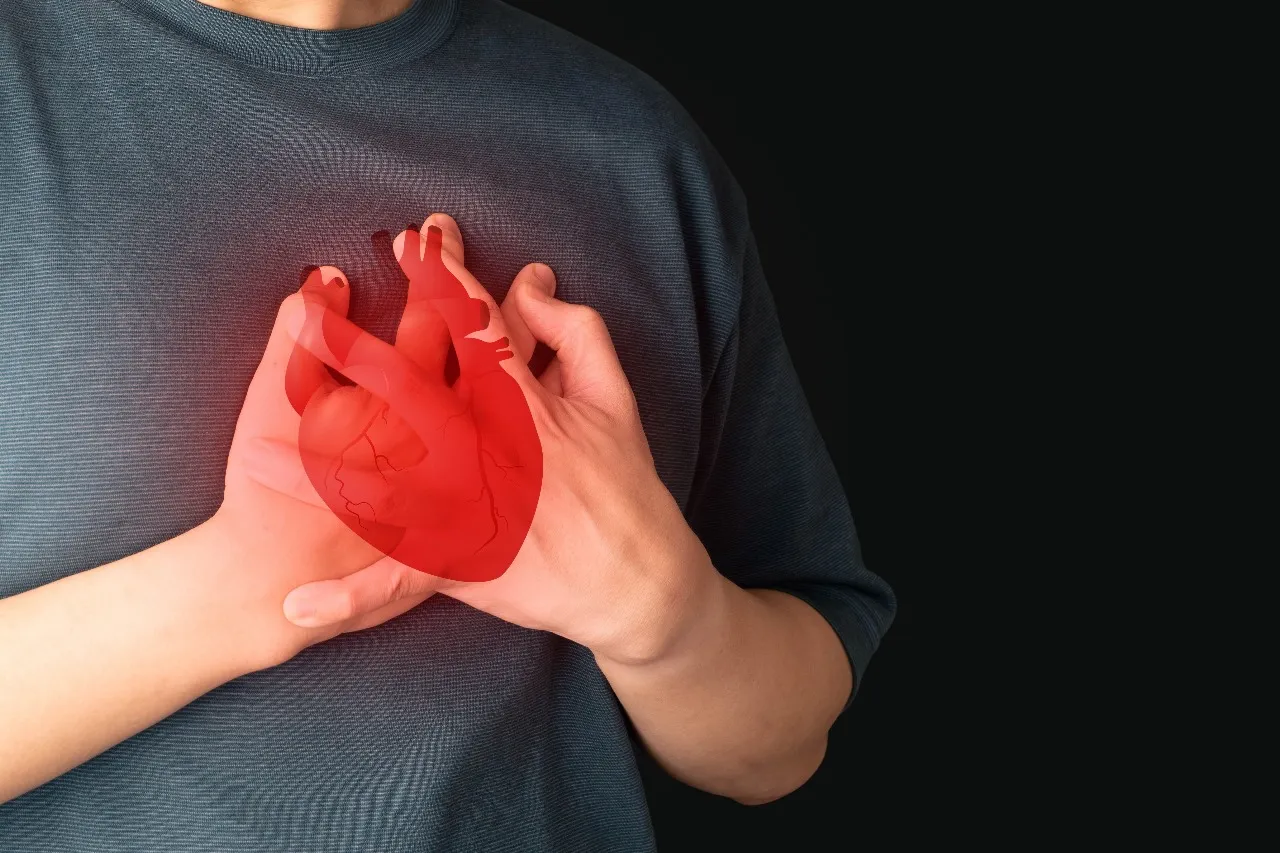
Heart artery blockage, also known as coronary artery disease (CAD), is one of the leading causes of heart attacks and other cardiovascular issues. Often developing over time without noticeable symptoms, it can be challenging to detect until it reaches an advanced stage. Early recognition of warning signs is crucial in preventing severe complications.
You must equip yourself with knowledge about your heart health. This article will help you identify the overlooked symptoms of heart artery blockage, enabling early intervention and better outcomes.
Read on to learn about these critical signs and symptoms of blocked arteries and how to take proactive steps to maintain a healthy heart.
Understanding Blocked Arteries
A blocked heart artery occurs when plaque, a substance composed of cholesterol, fatty deposits, and other cellular waste, builds up in the artery walls. This buildup can narrow the artery, restricting blood flow to the heart. Over time, the heart artery blockage can become severe, leading to a heart attack.
Common causes of blocked arteries include:
- Atherosclerosis: A condition where plaque builds up in the arteries, narrowing and hardening the arteries over time, reducing blood flow to the heart.
- High cholesterol: Elevated LDL (bad) cholesterol levels can contribute to plaque formation, increasing the risk of artery blockage.
- High blood pressure (Hypertension): Chronic high blood pressure damages artery walls, making them more prone to plaque buildup and narrowing.
- Smoking: Smoking accelerates plaque buildup in the arteries, damages blood vessels, and increases the risk of blood clots.
- Diabetes: Uncontrolled diabetes can cause high blood sugar levels that damage blood vessels, making them more susceptible to plaque buildup.
- Obesity: Excess weight increases body systemic inflammation and the likelihood of conditions like high cholesterol, high blood pressure, and diabetes, all of which contribute to blocked arteries.
- Lack of physical activity: Sedentary lifestyles lead to obesity, high cholesterol, and high blood pressure, which increase the risk of artery blockage.
- Unhealthy diet: Diets high in trans fats, saturated fats, and processed foods can cause increased body systemic inflammation, raise cholesterol levels and contribute to plaque formation in the arteries.
- Family history and genetics: A family history of heart disease or related conditions increases the risk of developing blocked arteries due to genetic predispositions.
- Stress: Chronic stress can contribute to high blood pressure, poor eating habits, and other factors that lead to artery blockage.
- Age: As we age, arteries naturally become less flexible and more prone to plaque buildup, increasing the risk of artery blockages.
Common Early Warning Symptoms of Blocked Arteries
Recognising the early warning symptoms of blocked arteries is crucial for timely intervention. While these symptoms may vary from person to person, some common indicators include:
1. Chest Pain or Discomfort
- Squeezing or pressure: This sensation often feels like a heavy weight on the chest.
- Radiating pain: The pain may spread to the left arm, jaw, neck, shoulder, upper back or upper abdomen. Many times site of discomfort can be diffuse or vague.
- Intensity: The pain can range from mild to severe.
- Duration: Chest pain episodes can last a few minutes or longer.
2. Shortness of Breath
- Difficulty breathing: You may experience shortness of breath even with mild exertion.
- Sudden onset: The shortness of breath can occur suddenly, without warning.
- Wheezing: In some cases, you may hear a wheezing sound when breathing.
3. Fatigue
- Unusual tiredness: You may feel more tired than usual, even with adequate rest.
- Difficulty completing tasks: Simple activities may seem more challenging than usual.
- General weakness: You may experience a feeling of overall weakness.
4. Jaw, Neck, or Shoulder Pain
- Aching or tenderness: Pain in these areas can signify a heart attack.
- Location: The pain may be focused on one side or more generalised.
- Intensity: The pain can vary in severity.
5. Nausea or Vomiting
- Digestive discomfort: These symptoms may accompany chest pain or discomfort.
- Feeling unwell: You may feel generally unwell or nauseous.
6. Sweating
- Cold sweats: You may break out in a cold sweat, even in a warm environment.
- Excessive sweating: You may sweat more than usual, even with mild activity.
7. Lightheadedness or Dizziness
- Loss of balance: You may feel dizzy or lightheaded, sometimes leading to fainting.
- Blurred vision: Your vision may become blurry or distorted.
When to Seek Medical Attention?
If you experience any of the symptoms of blocked arteries mentioned above, seeking immediate medical attention is essential. These could be early signs of heart artery blockage or even a heart attack, which is a medical emergency requiring prompt treatment.
Consulting a Cardiologist for Heart Artery Blockage
A cardiologist is a medical specialist who diagnoses and treats heart diseases, including conditions like blocked arteries. If you’re concerned about your heart health, experiencing heart disease symptoms, or have a family history of heart disease, consult a cardiologist for regular check-ups and assessments. Early detection and treatment can prevent severe complications, including heart attacks.
When choosing a cardiologist, consider their experience, qualifications, and training. You can also consult your primary care physician for recommendations on finding the best heart specialist.
How is a Heart Artery Blockage Detected?
Symptoms of Blocked Arteries: How is Heart Artery Blockage Detected?
Experiencing symptoms like chest discomfort or shortness of breath can be alarming, as these are common symptoms of coronary artery disease. If you have these symptoms of blocked arteries, a cardiologist will investigate the cause to confirm if you have coronary heart disease. The goal is to identify clogged arteries that are disrupting your heart’s blood supply. Arterial narrowing due to plaque buildup in the artery walls is a key cause of reduced blood flow and symptoms.
Diagnosing this form of heart disease involves several tests to check for poor blood flow and the extent of any blockage:
Initial Evaluation: Your doctor will review your medical history and family history to assess your risk factors for coronary artery disease, including factors for coronary artery disease such as high blood pressure, high cholesterol, and metabolic syndrome. A physical exam will also be performed to help determine the next steps for diagnosis.
Blood Tests: These check for high cholesterol and high blood sugar, which is a component of metabolic syndrome—a cluster of risk factors for coronary artery disease. Both can damage the artery walls and lead to plaque buildup.
Stress Test: This test is crucial for revealing how your heart responds to exertion. It can effectively show if arterial narrowing is limiting blood flow when your heart needs it most, indicating reduced blood flow due to narrowed arteries.
Echocardiogram: Using sound waves, this imaging test assesses your heart’s pumping function and can identify areas of heart muscle that have been damaged by poor blood flow. Damage to the heart muscles can result from reduced blood flow caused by arterial narrowing.
CT Coronary Angiogram: This advanced scan provides detailed images of your heart’s arteries, allowing doctors to see how plaque builds up on the artery walls, causing the arteries to narrow and increasing the risk of blood clots. Similar technology can be used to check other major vessels, like the carotid arteries in the neck.
Coronary Angiogram: This is the most definitive test for a heart artery blockage. It is essential to diagnose CAD and assess the severity of arterial narrowing in the coronary arteries. It provides a clear roadmap of your arteries, pinpointing the exact location and severity of any blockage that is compromising the vessels that carry oxygen-rich blood.
Chest pain and shortness of breath are common symptoms of coronary artery disease (CAD), and people with a higher risk—such as those with a family history or metabolic syndrome—should seek prompt evaluation.
How is a Coronary Artery Disease Blockage Treated?
Once a heart artery blockage is confirmed, a treatment plan is created to manage coronary heart disease, restore blood flow, and prevent serious complications. Treating coronary artery disease typically involves a combination of lifestyle changes, medications (such as beta blockers), and procedures to improve the heart’s blood supply. The approach will depend on the severity of your condition and your overall health.
1. Lifestyle Changes for Coronary Artery Disease to Prevent Progression
This is the first and most critical step. Making smart lifestyle choices can slow, stop, or even reverse the progression of clogged arteries. The primary goals are to prevent coronary artery disease from worsening and to lower your overall risk of coronary artery events. Key changes include:
Heart-Healthy Diet: Eating foods low in saturated fat and sodium can help reduce high blood pressure and cholesterol.
Regular Exercise: Physical activity strengthens your heart and improves its ability to supply blood to the body.
Quit Smoking: Smoking is a major risk factor for heart disease and damages blood vessels.
2. Medications
Medications are vital for managing the underlying causes of a heart vessel blockage:
Cholesterol-Lowering Drugs: Statins help reduce plaque buildup in the arteries.
Blood Pressure Medications: Help reduce high blood pressure, lessening the strain on your heart.
Blood Thinners: Aspirin or other medications help prevent blood clots that could cause a heart attack.
Nitroglycerin: To open up the coronary arteries and relieve chest pain.
3. Procedures to Restore Blood Flow
For significant blockages, more direct intervention may be needed to improve the heart’s blood supply:
Coronary Angioplasty and Stenting: A stent is placed in the blocked artery to hold it open, restoring the path for blood to flow freely.
Coronary Artery Bypass Surgery (CABG): This surgery creates a new pathway for blood to flow to the heart muscle. A healthy vessel is taken from another part of the body to bypass the blockage, ensuring the heart receives the oxygen-rich blood it needs to function.
Take Charge of Your Heart Health: Consult with Gerard Leong Cardiology Clinic
Recognising the early warning symptoms of blocked arteries is crucial for maintaining heart health and preventing life-threatening conditions. By understanding the common causes and being vigilant about potential symptoms, you can take proactive steps to protect your heart. Early intervention is key to reducing the risks and improving long-term health outcomes.
If you’re concerned about your heart health or experiencing any of the symptoms, consulting with a heart specialist is essential. At Gerard Leong Cardiology Clinic, our cardiologists provide thorough evaluations and personalised treatment plans to keep your heart healthy and minimise the risk of heart artery blockage. Schedule a consultation with us to discuss your heart health and explore appropriate treatment options.
About Our Heart Specialist
Dr. Gerard Leong
Heart Specialist / Cardiologist
MBBS (Singapore), MRCP (UK), FRCP (Edinburgh), FAMS (Cardiology), Diplomate ASCeXAM (National Council of Echocardiography, USA), FACC (USA)

Dr. Gerard Leong is a Senior Consultant Cardiologist with over 15 years of experience in treating a wide spectrum of heart conditions. Before establishing his private practice, Dr. Leong served as the director of a JCIA-accredited heart failure program for 10 years, which provided him with unique expertise in managing the most complex and critical cardiac cases. Dr. Leong has a special clinical interest in coronary artery disease, angioplasty and stenting, heart failure, and preventive cardiology.
He is dedicated to a patient-centric approach, ensuring that each patient receives a clear understanding of their condition and a personalised, evidence-based treatment plan for optimal heart health.