
Table of Contents
ToggleYour heart is one of the most important organs in your body, and keeping it healthy should be a priority. Channel News Asia recently reported that the number of heart attacks cases are inceasing in Singapore. This makes regular heart screenings more essential for early detection and treatment. In Singapore, heart specialists recommend several tests to assess heart health and detect potential issues.
At Gerard Leong Cardiology Clinic, we provide comprehensive heart screenings and personalised care to help patients manage their cardiovascular health. This article will walk you through eight common tests you can expect during a heart check-up at a heart specialist clinic.
Key Takeaways
- Early heart check-ups can prevent serious conditions. Detecting issues like high blood pressure or abnormal rhythms early allows for timely treatment and reduces the risk of heart attacks or strokes.
- Heart check-ups in Singapore are personalised. Cardiologists tailor your screening based on symptoms, lifestyle, and risk factors, ensuring only necessary tests are done.
- Specialist clinics offer advanced diagnostics. Trusted heart specialist clinics like Dr. Gerard Leong’s provide access to ECGs, echocardiograms, stress tests, and more, all under one roof.
Why Regular Heart Check-Ups Matter
In Singapore, cardiovascular diseases remain a leading cause of morbidity and mortality, driven largely by lifestyle-related risk factors. The typical Singaporean diet, often rich in processed foods, salt, and unhealthy fats, combined with high-stress urban living and increasingly sedentary habits, significantly elevates the risk of heart conditions such as hypertension, coronary artery disease, and stroke.
Here are the reasons why regular heart check-ups matter:
Common Heart Disease Risk Factors in Singapore
Many lifestyle-related factors contribute to rising heart health issues locally:
- Unhealthy diet: High intake of saturated fats, sugar, and sodium from processed or hawker foods
- Chronic stress: Fast-paced work environments and high expectations increase cardiovascular strain
- Sedentary lifestyle: Long office hours and reduced physical activity heighten risk
- Smoking and alcohol consumption: Persistent habits that damage arteries and heart tissue
- Family history: Genetics can predispose individuals to heart conditions
The Importance of Early Detection
Heart disease often develops without warning. Early check-ups allow for:
- Timely identification of silent risk factors such as high blood pressure or high cholesterol
- Detection of underlying heart rhythm issues or structural abnormalities
- Preventive treatment plans to avoid heart attacks, strokes, or heart failure
The Role of a Heart Specialist in Personalised Cardiac Care
A cardiologist offers more than just routine screening:
- Tailored assessments based on age, lifestyle, and medical history
- Access to advanced diagnostic tools not available in general clinics
- Comprehensive, patient-first care to manage and monitor long-term heart health
What Happens at a Heart Specialist Clinic in Singapore?
Visiting a heart specialist in Singapore typically begins with a comprehensive consultation. A cardiologist will review your medical history, lifestyle habits, and any symptoms you may be experiencing, such as chest pain, fatigue, or shortness of breath.
Here’s what to expect during a typical check-up:
- Initial assessment: Blood pressure, weight, and pulse rate measurements
- Detailed history-taking: Lifestyle factors, family history, past illnesses
- Symptom evaluation: Discussion of warning signs or discomforts
- Personalised diagnostic plan: Tailored tests based on your risk profile or condition
8 Essential Tests During a Heart Check-Up
Dr. Gerard Leong’s clinic prioritises patient-first care, ensuring that tests are only recommended when clinically necessary. Not all eight heart tests are performed in a single visit. Depending on findings, the cardiologist may stagger tests across follow-up appointments to monitor changes or manage specific concerns. With advanced diagnostic tools and a patient-focused approach, the clinic ensures every assessment is efficient, accurate, and relevant to your heart health needs.
1. Electrocardiogram (ECG)
What is an ECG?
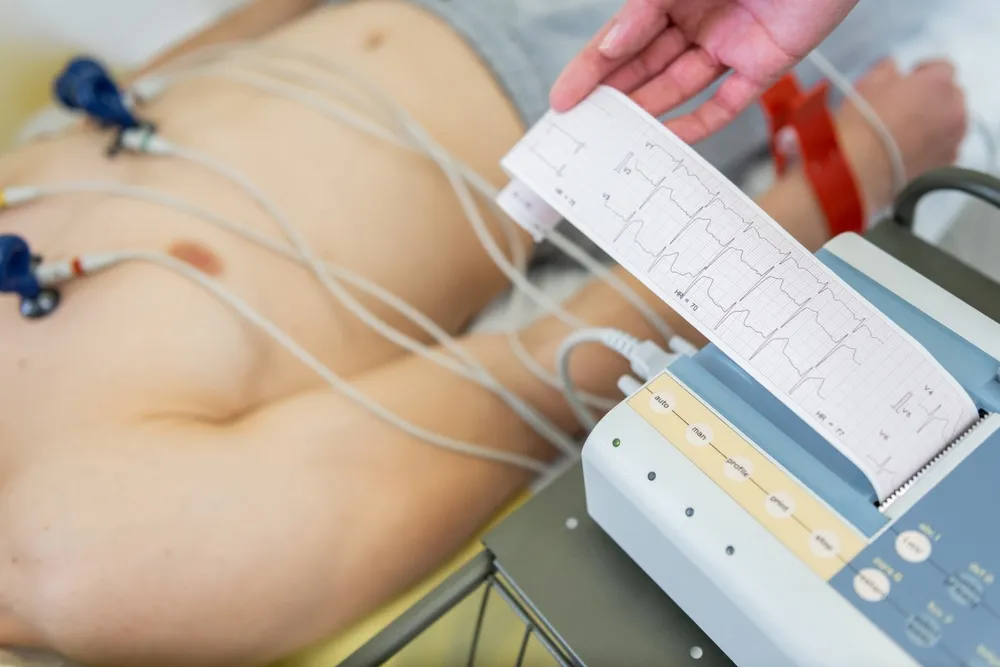
An electrocardiogram (ECG) is a simple, painless test that records the electrical activity of your heart. It helps detect irregular heart rhythms, previous heart attacks, and other cardiac problems.
How is it performed?
Electrodes are placed on your chest, arms, and legs. These electrodes capture electrical signals from your heart and display them as wave patterns on a monitor or graph.
When is it needed?
An ECG is commonly performed if you have symptoms like chest pain, palpitations, or shortness of breath. It is also a routine diagnostic test for patients at risk of cardiovascular disease.
2. Echocardiogram
What is an echocardiogram?
An echocardiogram is an ultrasound scan of the heart that provides detailed images of the heart’s structure and function. It is widely used in general cardiology to assess how well the heart is pumping blood and to detect heart valve disorders.
How is it performed?
A small probe is placed on your chest, which emits high-frequency sound waves. These waves bounce off the heart and create images on a screen.
When is it needed?
This test is recommended for patients with symptoms of heart failure, previous heart attacks, or suspected heart structure conditions.
3. Stress Test
What is a stress test?
A stress test evaluates how well your heart works during physical exertion. It helps detect coronary artery disease and assess overall heart function.
Types of Stress Tests
- Treadmill ECG: You walk on a treadmill while connected to an ECG machine that monitors your heart’s response to exercise.
- Stress Echocardiography: This combines an echocardiogram with a stress test to visually check how the heart moves under stress.
How is it performed?
You will either walk on a treadmill or receive medication to make your heart work harder. Doctors monitor your heart’s activity throughout the process.
When is it needed?
This test is recommended for individuals with suspected coronary artery disease or those experiencing chest pain during physical activity.
4. CT Coronary Angiography (CTCA)
What is a CT Coronary Angiography?
This specialised cardiac CT scan provides detailed images of the coronary arteries, helping detect blockages or abnormalities that may lead to heart attacks or cause for angina like chest discomfort.
How is it performed?
A contrast dye is injected into a vein, and a CT scanner takes multiple images of your heart and blood vessels.
When is it needed?
This test is useful for patients who are suspected to have coronary artery disease, especially those with symptoms suggestive of coronary artery disease or risk factors such as high cholesterol, high blood pressure, diabetes, or a strong family history of cardiovascular disease.
5. Blood Tests for Heart Health
What do blood tests check?
Blood tests measure key markers that indicate heart health and potential risks for cardiovascular disease.
Common Blood Tests for Heart Health
- Risk factors for heart disease
- Basic Cholesterol Test (LDL and HDL) and advanced cholesterol tests: Measures levels of ‘bad’ and ‘good’ cholesterol, and associated risks for heart disease.
- Blood glucose assessment tests
- Kidney and liver function tests
- High-Sensitivity C-Reactive Protein (hsCRP): Detects inflammation linked to heart disease.
- Cardiac Biomarkers: Identify signs of a recent heart attack or heart failure.
When are they needed?
Doctors recommend blood tests for individuals at risk of heart disease, those with a family history, or those experiencing symptoms like chest pain or fatigue.
6. Holter Monitoring
What is Holter Monitoring?
A Holter monitor is a portable ECG device that continuously records your heart’s activity over 24 to 48 hours or longer.
How is it performed?
Small electrodes are attached to your chest, and the device is worn around your waist or over your shoulder. It tracks your heart rhythm while you go about your daily activities.
When is it needed?
Holter monitoring is recommended for patients experiencing unexplained dizziness, palpitations, or irregular heartbeats that may not be detected in a standard ECG.
It is also needed to evaluate for cause of vascular stroke.
7. Cardiac MRI
What is a Cardiac MRI?
A cardiac MRI uses powerful magnets and radio waves to create detailed images of the heart and surrounding blood vessels. It provides a clear picture of the heart’s structure and function.
How is it performed?
You lie inside a large MRI scanner while radio waves generate images of your heart. Contrast dye may be used to highlight certain areas.
When is it needed?
Doctors use cardiac MRI to diagnose conditions like heart muscle diseases, congenital heart defects, or damage from previous heart attacks.
8. Coronary Calcium Scan
What is a Coronary Calcium Scan?
A coronary calcium scan measures calcium deposits in the coronary arteries, which may indicate early-stage atherosclerosis (narrowing of the arteries).
How is it performed?
This test uses a CT scanner to capture detailed images of the coronary arteries and detect calcium buildup. There is no need for injection of IV contrast liquid.
When is it needed?
This test is useful for patients who have renal impairment who are suspected to have coronary artery disease, especially those with symptoms suggestive of coronary artery disease or risk factors such as high cholesterol, high blood pressure, diabetes, or a strong family history of cardiovascular disease. This test is usually used in conjunction with stress test for comprehensive assessment for coronary artery disease in individuals with renal impairment.
What to Ask Your Heart Specialist in Singapore
During your heart check-up, asking the right questions helps you make informed decisions about your heart health. Cardiologists like Dr. Gerard Leong encourage patients to engage actively in their care, especially after diagnostic tests are completed.
What do my results mean?
- Ask your heart specialist to explain any abnormalities found.
- Clarify whether your readings are within a healthy range or indicate early signs of heart disease.
Do I need further tests or treatment?
- Depending on your results, your cardiologist may recommend additional tests such as an echocardiogram or stress test.
- If needed, they may discuss treatment options like medications, lifestyle interventions, or specialist referrals.
How often should I return for a check-up?
- Follow-up frequency depends on your risk profile and current findings.
- Patients with high blood pressure or a family history of heart disease may need more regular monitoring.
Are there lifestyle changes I should make?
- Ask for tailored advice on diet, exercise, stress management, and sleep.
- Your heart specialist may recommend a cardiac rehabilitation program or nutrition counselling.
Clear communication builds long-term trust and supports effective prevention or management of heart disease.
Prioritise Your Heart Health with Gerard Leong Cardiology Clinic
Regular heart check-ups at a trusted cardiology clinic play a crucial role in the early detection and management of heart conditions. By undergoing these essential tests, you take a proactive step toward protecting your heart health and reducing the risk of cardiovascular disease.
At Gerard Leong Cardiology Clinic, we provide comprehensive cardiac care. Our experienced heart specialist and medical team provide a full range of heart screening and diagnostic tests, including echocardiography, stress tests, CT coronary angiography, and pacemaker assessments. Whether you need a routine surveillance heart check-up or advanced interventional cardiology treatments such as angioplasty, our clinic is here to support you.
If you are considering a heart screening, book an appointment with our heart specialist clinic today. Contact us for expert advice and personalised heart care tailored to your needs.
Frequently Asked Questions
What tests are included in a heart check-up in Singapore?
A standard heart check-up in Singapore may include an electrocardiogram (ECG), blood pressure check, cholesterol and glucose tests, echocardiogram, treadmill stress test, coronary calcium score, and a 24-hour Holter monitor. Your cardiologist will recommend specific tests based on your symptoms and risk factors.
How do I know if I need to see a heart specialist?
You should see a heart specialist if you experience chest pain, shortness of breath, palpitations, or dizziness, or if you have risk factors like high blood pressure, diabetes, high cholesterol, or a family history of heart disease. Preventive screening is also advised from age 40 onwards.
Is a heart check-up covered by insurance in Singapore?
Yes, many insurance plans in Singapore cover heart check-ups, especially when medically indicated. Coverage may include consultations, diagnostic tests, and follow-up care. It’s best to confirm with your insurer and the clinic beforehand.
How long does a full heart screening take?
A full heart screening typically takes between 1 to 3 hours, depending on the number and type of tests. Some advanced diagnostics, like Holter monitoring, may require 24 to 48 hours of monitoring and a follow-up visit for results.
Where can I get a reliable heart check-up in Singapore?
You can get a reliable heart check-up at established cardiology clinics such as Dr. Gerard Leong Cardiology Clinic in Singapore. The clinic offers comprehensive diagnostics, personalised care, and advanced heart screening tailored to your health needs.