
Table of Contents
ToggleA stroke occurs when blood flow to the brain is disrupted, leading to potential brain damage, disability, or death. Timely action is critical; every second counts. At Gerard Leong Cardiology Clinic, a trusted heart specialist clinic in Singapore, we’ve seen how early intervention can save lives.
According to the Singapore Heart Foundation, there are about 22 Singaporeans who die due to a heart attack and stroke every day. With cardiovascular conditions on the rise, more people are seeking a reliable heart specialist in Singapore. This article will provide you with expert advice on the proper steps to take when you suspect someone is having a stroke, ensuring timely medical intervention.
Key Takeaways
- Recognise stroke symptoms early using the F.A.S.T. method: Face drooping, Arm weakness, Speech difficulties, and Time to call emergency services immediately.
- Timing is crucial: Administering treatment like tPA within 4.5 hours of symptom onset significantly improves stroke recovery and reduces brain damage.
- Stroke prevention starts with heart health: Regular heart checkups in Singapore can detect underlying cardiovascular risks such as atrial fibrillation and hypertension, lowering stroke chances.
Understanding Stroke: A Medical Emergency
A stroke occurs when the brain’s blood supply is disrupted, leading to potential brain damage or death. There are two main types:
- Ischemic stroke: caused by a blocked artery (most common).
- Hemorrhagic stroke: caused by a ruptured blood vessel in the brain.
The common symptoms you must watch for include:
- Sudden numbness or weakness, especially on one side of the body
- Confusion or difficulty understanding speech
- Trouble speaking or slurred speech
- Blurred or double vision
- Dizziness or loss of coordination
These warning signs should never be ignored. In stroke management, we use the phrase “Time is Brain,” which means that every minute of delay can result in the loss of a potential brain cell.
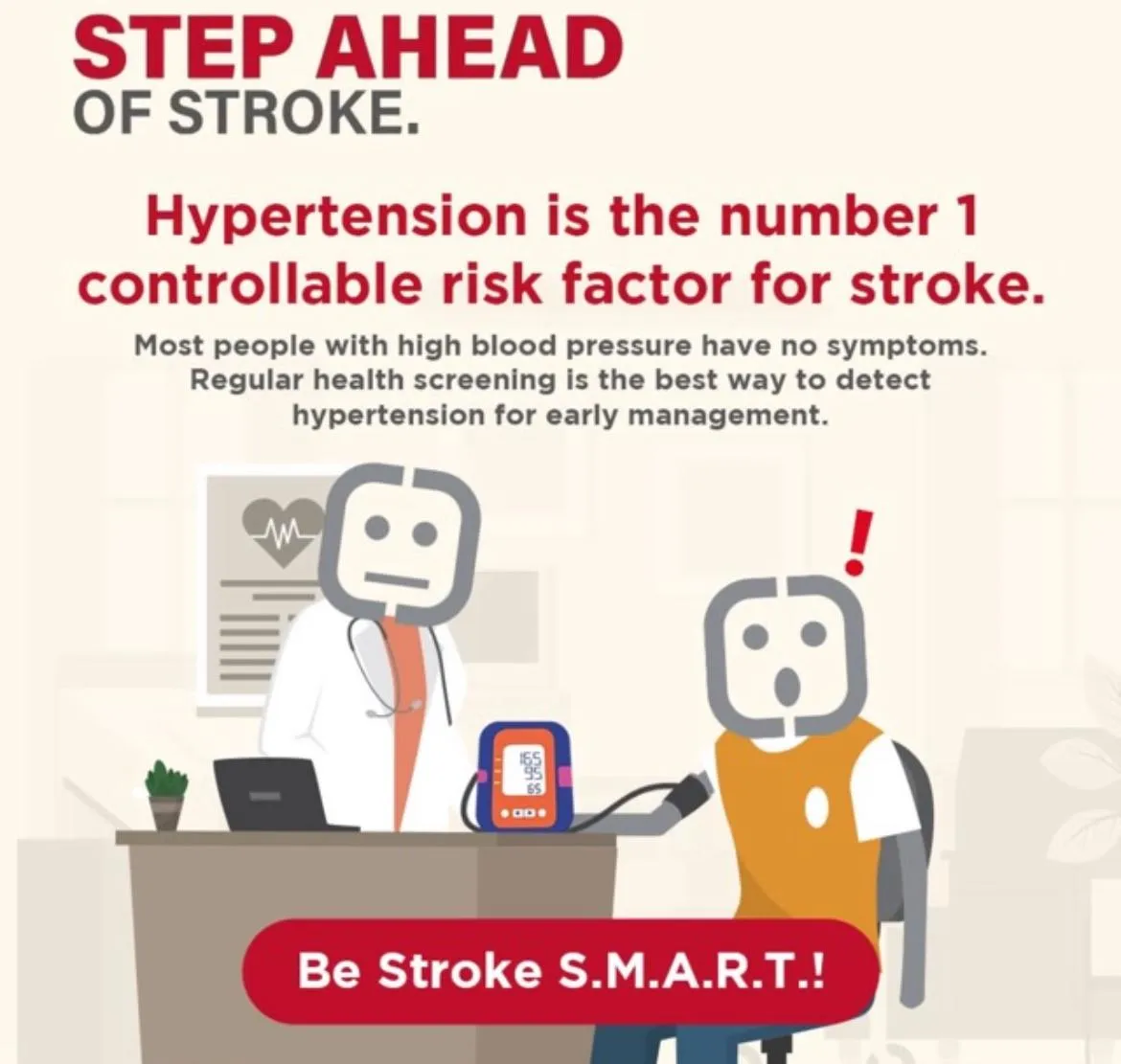
As heart specialists, we know that poor heart health, especially conditions like high blood pressure, atrial fibrillation, and high cholesterol, significantly raises stroke risk. This makes routine cardiovascular screenings essential, especially for individuals over 40 or those with a family history of stroke.
At Gerard Leong Cardiology Clinic, we encourage individuals to prioritise preventive care through a heart checkup in Singapore. Early detection of risk factors can drastically reduce your chances of stroke. Stroke prevention isn’t just about reacting quickly; it’s about staying ahead with proactive heart care.
Step 1: Recognise the Early Symptoms of a Stroke
The signs and symptoms of a stroke can occur suddenly.
Remember “FAST” for easy recall. FAST is for the following as outlined below
- F – Face: Ask the person to smile. Does one side of the face droop or appear numb?
- A – Arms: Ask the person to raise both arms. Does one arm drift downward or appear weak?
- S – Speech: Is the person’s speech slurred, difficult to understand, or repeated?
- T – Time: Call 995 (or your local emergency number) immediately if you notice any of these signs. Time is critical in stroke treatment.
Recognising these symptoms early is crucial, as they indicate a life-threatening emergency. If you notice these signs, seek immediate medical help.
The sooner a stroke is identified, the better the chances of recovery.
A neurologist or emergency physician will assess stroke symptoms, while a heart specialist may be involved in addressing related heart conditions that could have caused the stroke.
Step 2: Call Emergency Services Immediately
If you suspect a stroke, do not hesitate to call emergency services immediately. Time is critical for stroke patients. — Every second counts in ensuring they receive appropriate care.
The faster the patient is transported to a hospital, the better their chances of receiving life-saving treatments.
Emergency services in Singapore are well-equipped to transport stroke patients to hospitals with dedicated stroke units, where neurologists can assess and provide timely treatment to minimise potential complications.
Step 3: Note the Time Symptoms Started
As heart specialists, we cannot stress enough the importance of timing when it comes to stroke response. Treatments like tPA (tissue plasminogen activator), a life-saving clot-busting drug, must be administered within a critical window, usually within 4.5 hours of symptom onset. The earlier it’s given, the better the chances of recovery and survival.
If you suspect someone is having a stroke, stay calm but alert. Immediately note the exact time the symptoms began or were last observed. This information can determine whether the patient qualifies for emergency stroke intervention.
- Consider this real-life scenario: A man in Singapore notices his mother slurring her words and struggling to lift her right arm at 8:00 a.m. He remembers the signs of a stroke and immediately calls 995. Because he acted fast and knew the time symptoms began, doctors were able to administer tPA in time, reducing long-term damage.
Stroke often occurs in individuals with underlying heart conditions. That’s why we recommend a proactive heart checkup in Singapore to assess your risk.
Step 4: Provide Critical Information to Paramedics
When emergency responders arrive, providing them with accurate and complete health information can make a crucial difference in stroke treatment outcomes.
What Key Information Should You Share?
- Current medications: Especially blood thinners or heart-related drugs
- Known allergies: To medications or foods
- Medical history: Previous strokes, heart conditions, diabetes, or hypertension
- Recent medical checkups: Any recent tests, procedures, or diagnoses
Be Prepared: Keep Your Health Information Handy
- Carry a medical card that lists all essential health details.
- Alternatively, maintain a smartphone note or health app with updated information.
- Share this info clearly with family members and caregivers.
Why This Matters for Heart Patients
Heart patients are at higher risk of stroke and often take multiple medications. Having your health details readily accessible helps paramedics make faster, safer treatment decisions.
Step 5: Follow Up with a Heart Specialist
Stroke is frequently linked to underlying cardiovascular conditions that require expert management to prevent recurrence and improve overall health.
Why Cardiovascular Health Matters After a Stroke
Many strokes result from heart-related issues, such as:
- Atrial fibrillation (irregular heartbeat)
- Hypertension (high blood pressure)
- Coronary artery disease
These conditions increase the risk of blood clots and impaired circulation, making follow-up essential.
Importance of a Heart Checkup After Stroke or TIA
A heart checkup is also an important preventive measure for individuals at higher risk of cardiovascular disease. It ensures long-term heart health and reduces the chances of future incidents.
- A TIA (transient ischemic attack) or “mini stroke” is a critical warning sign.
- Prompt evaluation by a heart specialist in Singapore can identify risk factors and guide treatment.
- Early intervention reduces the chances of a full stroke and long-term complications.
Benefits of Consulting Dr. Gerard Leong and His Clinic
At Gerard Leong Cardiology Clinic, patients receive comprehensive cardiovascular care, including:
- ECG (electrocardiogram) tests to detect arrhythmias
- Echocardiograms to assess heart structure and function
- Detailed risk assessments tailored to individual health profiles
The clinic focuses on preventive care and long-term monitoring to manage heart health effectively and prevent future strokes.
Get Advice from Gerard Leong Cardiology Clinic for Stroke Prevention and Heart Health
In summary, timely recognition of stroke symptoms and swift action are vital for ensuring the best outcomes. Consult a heart specialist for advice on stroke prevention and management.
If you or a loved one is at risk, we encourage you to book a heart checkup in Singapore at Gerard Leong Cardiology Clinic, where stroke prevention and heart health assessments are prioritised. Your health matters, and taking the proper steps today can make all the difference tomorrow.
Source:
Frequently Asked Questions
What should I do first if I suspect a stroke?
If you suspect a stroke, immediately call emergency services (995 in Singapore). Note the exact time symptoms began and stay with the person. Do not let them eat, drink, or take medication unless advised by medical personnel. Quick action is critical because early treatment can reduce brain damage and improve recovery outcomes.
How can I tell if someone is having a stroke?
Use the F.A.S.T. method:
- Face: Check for drooping on one side.
- Arms: Ask them to raise both arms. Does one drift downward?
- Speech: Listen for slurred or strange speech.
- Time: Call 995 immediately if any signs appear. Rapid response saves lives.
Is a stroke related to heart problems?
Yes, strokes are often linked to heart conditions such as atrial fibrillation, high blood pressure, and coronary artery disease. These increase the risk of blood clots that can block brain arteries, causing a stroke. Managing heart health through regular checkups reduces stroke risk.
Where can I get a heart checkup in Singapore?
You can get a comprehensive heart checkup at trusted clinics like Gerard Leong Cardiology Clinic, which offers screenings, ECGs, echocardiograms, and risk assessments. Regular heart checkups in Singapore help detect early signs of cardiovascular issues and prevent stroke.
What does a heart specialist clinic in Singapore offer for stroke prevention?
Heart specialist clinics provide risk assessments, diagnostic tests like ECG and echocardiograms, medication management, and lifestyle advice. They monitor heart conditions linked to stroke and offer personalised preventive care plans to reduce your risk of stroke and other cardiovascular diseases.