

Table of Contents
ToggleAccording to the World Stroke Organisation, stroke is the fourth leading cause of death among Singaporeans. It is also one of the leading causes of long-term disability in the island country, impacting thousands of families each year. As cardiologists in Singapore continue to see rising cases linked to high blood pressure, atrial fibrillation, and sedentary lifestyles, early prevention has never been more crucial.
Consulting a cardiologist is not just for those already facing heart conditions. It’s an essential step for anyone seeking to understand their personal risk and take charge of their health. This article equips you with 10 key questions to ask your cardiologist, empowering you to detect risks early and receive personalised care before it’s too late.
Key Takeaways
- Stroke prevention starts with consulting a cardiologist in Singapore to assess and manage risk factors like high blood pressure, atrial fibrillation, and cholesterol.
- Cardiologists in Singapore use advanced diagnostic tests, such as ECGs, carotid ultrasounds, and blood tests, to detect hidden heart conditions that increase stroke risk.
- Proactive lifestyle changes and personalised treatment plans from experienced Singapore cardiologists significantly reduce the chances of stroke and improve long-term heart health.
Why Ask Questions About Stroke Prevention
Stroke is one of the most preventable serious health conditions, yet it remains a major threat, especially when early warning signs are overlooked. Asking your cardiologist the right questions can make all the difference. Here’s why it matters:
- Stroke is preventable: Many risk factors like high blood pressure, high cholesterol, and irregular heart rhythms can be managed or treated early.
- Cardiologists can detect silent threats: Conditions such as atrial fibrillation or narrowed arteries often show no symptoms until it’s too late.
- Local health trends are concerning: In Singapore, rising rates of hypertension, diabetes, and obesity are contributing to increased stroke cases.
- Timely intervention saves lives: Proactive care with a trusted cardiologist in Singapore can reduce your stroke risk dramatically.
- Patient education is key: Understanding your personal risk empowers you to make informed decisions about your heart and brain health.
Start with questions. Stay informed. Stay protected. In the next section, you will find out the top ten questions you must ask your cardiologist about stroke prevention.
1. What Are My Risk Factors for Stroke?
Understanding your risk factors for stroke is essential. These may include age, family history, lifestyle, and underlying health conditions. Your cardiologist will assess these risks and help you understand how they influence your stroke likelihood. Identifying risk factors early can significantly impact your prevention strategy.
2. How Can I Reduce My Stroke Risk?
A cardiologist plays a key role in identifying factors contributing to stroke risk and developing a personalised prevention plan. Singapore cardiologists are experts in managing heart health, suggesting lifestyle changes, and providing treatment for conditions that could lead to a stroke. Ongoing care, with regular consultations, is crucial for effective stroke prevention.
3. What Are the Early Signs of a Stroke I Should Be Aware of?
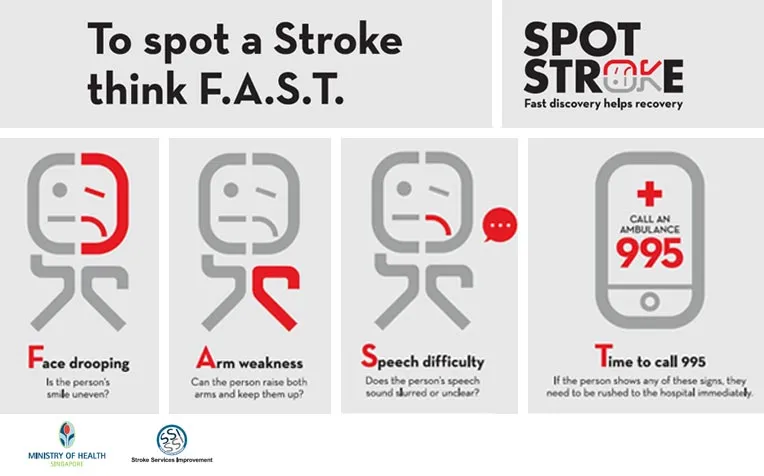
Watch for symptoms using the FAST test: Face drooping, Arm weakness, Speech difficulty, and Time to call for help. Early intervention can save lives. Cardiologists in Singapore often educate patients on recognising these warning signs.
4. How Can Cholesterol Levels Impact Stroke Risk?
Cholesterol management is another critical component of stroke prevention. High levels of bad cholesterol (LDL) can contribute to plaque buildup in the arteries, which increases stroke risk. Inquire about strategies to monitor and control cholesterol levels to help reduce your risk.
5. What Heart Conditions Should I Be Aware of for Stroke Prevention?
Certain heart conditions, such as atrial fibrillation, can increase the risk of stroke. Understanding these conditions and how they affect your stroke risk is vital. Your cardiologist can suggest treatments and management options to minimise this risk.
6. What Tests Should I Undergo to Assess My Stroke Risk?
Ask your cardiologist about the tests and screenings available to assess your stroke risk, such as blood tests, ECGs, or carotid artery ultrasound. These tests help identify underlying issues and provide insight into managing your stroke risk effectively.
7. Does My Family History Affect My Stroke Risk?
Yes, genetics plays a role. If you have close relatives who’ve had a stroke or heart disease, a Singapore cardiologist may suggest early screenings and stricter preventive measures.
8. How Often Should I See a Cardiologist for Stroke Prevention?
The frequency of check-ups will depend on your age, health history, and risk factors. Ask your cardiologist how often you should visit for stroke prevention consultations to ensure that you’re on track to reduce your risk.
9. Are There Any Medications That Can Help Prevent a Stroke?
Certain medications, such as blood thinners or statins, may help lower stroke risk by controlling blood clotting and cholesterol levels. Specific blood pressure-lowering agents are also very effective in reducing the risk of stroke.
Ask your cardiologist about any prescribed medications that could help you, and discuss the potential benefits and side effects.
10. How Can I Manage My Stress to Prevent a Stroke?
Stress can negatively impact heart health and increase stroke risk. Inquire with your cardiologist about effective ways to manage stress, whether through lifestyle changes, mindfulness practices, or therapy.
Knowing the warning signs of a stroke is essential for timely intervention. Think FAST. Call 995 in case of emergency. Seek immediate medical attention if you notice any of the above symptoms or signs.
Tip: Bring a List of Your Medications and Medical History
Maximise the value of your consultation with a cardiologist in Singapore by preparing a clear and complete list of your medications and medical background. Here’s why it matters:
- Improves consultation efficiency: Saves time during your appointment and ensures focused discussions.
- Prevents dangerous drug interactions: Helps cardiologists assess how current medications may affect new treatments.
- Enables personalised care: Your medical history provides vital context for accurate diagnosis and stroke risk assessment.
- No detail is too small: Include prescriptions, over-the-counter drugs, and supplements.
- Builds a clearer clinical picture: Enhances the cardiologist’s ability to recommend safe and effective preventive strategies.
How Gerard Leong Cardiology Clinic Helps with Stroke Prevention
At Gerard Leong Cardiology Clinic, we believe that stroke prevention begins with precision, proactivity, and partnership. Led by Dr. Gerard Leong, a trusted Singapore cardiologist with decades of experience, the clinic combines evidence-based medicine with a deeply personalised approach to cardiovascular care.
Here’s what sets us apart:
- State-of-the-art diagnostics: We use advanced tools like carotid ultrasounds, ECG, Holter monitors, and CT calcium scoring to uncover stroke and heart disease risks before symptoms appear.
- Expert-led, personalised care: Every patient receives a customised prevention plan based on individual risk factors, lifestyle, and goals.
- Focused on evidence-based prevention: Our treatment protocols align with the latest clinical guidelines to ensure the highest standard of care.
- Convenient and accessible: Located in the heart of Singapore with flexible appointments and comprehensive screening packages for busy individuals.
- Patient-first philosophy: We prioritise open communication, education, and empowering patients to take control of their heart and brain health.
Whether you’re managing chronic conditions or simply being proactive, Gerard Leong Cardiology Clinic is your partner in lifelong stroke and heart disease prevention.
Take Control of Your Heart Health with Proper Guidance
Asking these questions during your visit to a cardiologist in Singapore will give you a clearer understanding of your stroke risk and how to manage it. By taking an active role in your heart health, you can reduce your chances of having a stroke.
At Gerard Leong Cardiology Clinic, we with our neurology colleagues can provide personalised stroke prevention advice tailored to your unique needs. Schedule a consultation today to discuss your heart health with a specialist.
Frequently Asked Questions
What does a cardiologist do to prevent strokes?
A cardiologist assesses your risk factors for stroke, such as high blood pressure, atrial fibrillation, and cholesterol, using diagnostic tests and medical history. Based on your profile, they may recommend lifestyle changes, medications, or procedures to reduce stroke risk. Many cardiologists in Singapore offer comprehensive screenings tailored to local health trends.
When should I see a cardiologist in Singapore for stroke prevention?
You should see a cardiologist in Singapore if you have risk factors like hypertension, diabetes, irregular heartbeat, or a family history of stroke. Early consultation helps detect silent cardiovascular issues before they lead to serious complications.
What questions should I ask my cardiologist about stroke risk?
Ask about your personal stroke risk, necessary tests, how heart conditions like AFib increase risk, and what lifestyle or medication changes can help. A cardiologist in Singapore can personalise answers based on your health status.
Can a cardiologist help if I’ve never had a stroke before?
Yes. Cardiologists focus on both prevention and treatment. Even if you’ve never had a stroke, a cardiologist in Singapore can identify potential risks and create a plan to protect your long-term heart health.
What are the best tests for stroke risk assessment in Singapore?
Top tests include ECG, echocardiogram, carotid ultrasound, cholesterol panels, and blood pressure monitoring. Many cardiologists in Singapore offer these in stroke prevention screening packages tailored to your risk level and age.