
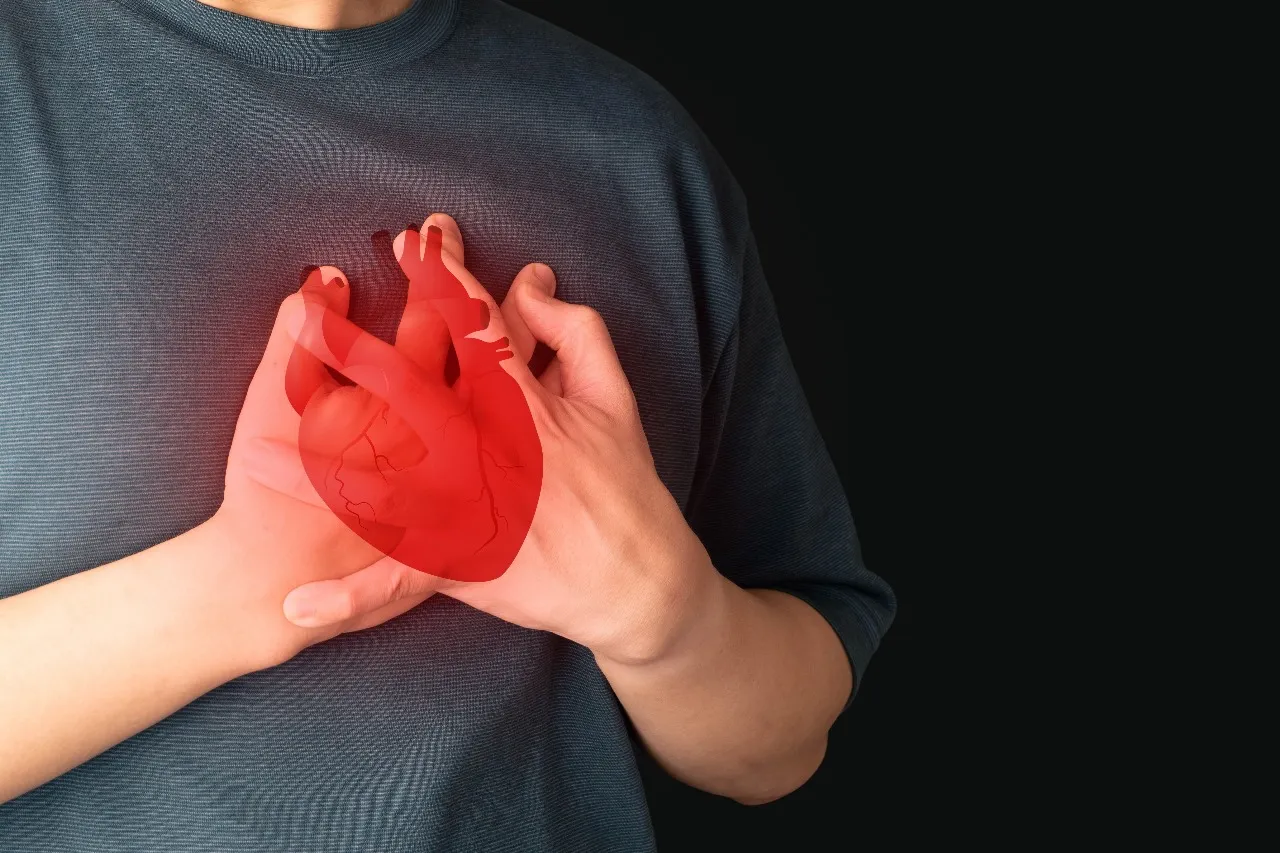
Heart artery blockage, also known as coronary artery disease (CAD), is one of the leading causes of heart attacks and a major contributor to cardiovascular mortality worldwide. Globally, it is estimated that over 315 million people are living with coronary artery disease, highlighting how widespread and often underdiagnosed this condition can be.
In many individuals, heart artery blockage develops gradually and may not cause noticeable symptoms until blood flow to the heart becomes significantly restricted. Because of this, the condition can remain undetected for years, increasing the risk of sudden and serious complications.
Early recognition of warning signs is therefore essential. Heart disease symptoms may be subtle, easily overlooked, or mistaken for less serious conditions, delaying diagnosis and treatment. In some cases, the first sign may even be a major cardiac event.
By understanding these early warning symptoms, you can take proactive steps to protect your heart, seek timely medical care, and reduce the risk of life-threatening complications.
Key Takeaways
- Heart artery blockage often develops gradually and may not cause noticeable symptoms until blood flow to the heart is significantly reduced.
- Early warning signs such as chest discomfort, shortness of breath, and unexplained fatigue should not be ignored, even if they seem mild.
- Some individuals may experience subtle or no symptoms, making regular screening important, especially for those with risk factors.
- Recognising symptoms early and seeking timely medical attention can significantly reduce the risk of heart attack and other serious complications.
- Lifestyle changes, appropriate treatment, and regular follow-up with a cardiologist play a key role in managing heart health and preventing disease progression.
Understanding Blocked Arteries

A blocked heart artery occurs when plaque, made up of cholesterol, fatty deposits, calcium, and other substances, gradually builds up along the walls of the coronary arteries. Over time, this buildup narrows the arteries and restricts blood flow to the heart muscle. As the condition progresses, the reduced oxygen supply can lead to symptoms such as chest discomfort or shortness of breath. In more severe cases, a sudden blockage may occur, resulting in a heart attack.
Blocked arteries most commonly develop due to atherosclerosis, but several risk factors contribute to this process.
Common causes and contributing factors include:
- Atherosclerosis: The primary cause of blocked arteries, where plaque accumulates over time, narrowing and stiffening the arteries
- High cholesterol: Elevated LDL (“bad” cholesterol) promotes plaque formation within artery walls
- High blood pressure (hypertension): Damages the inner lining of arteries, making them more susceptible to plaque buildup
- Smoking: Accelerates artery damage, promotes clot formation, and reduces oxygen supply to the heart
- Diabetes: High blood sugar levels damage blood vessels and increase inflammation
- Obesity or excess weight: Associated with multiple risk factors such as hypertension, diabetes, and high cholesterol
- Physical inactivity: Contributes to poor cardiovascular fitness and increases the likelihood of metabolic risk factors
- Unhealthy diet: Diets high in saturated fats, trans fats, and processed foods increase cholesterol and inflammation
- Family history and genetics: A genetic predisposition can increase susceptibility to heart disease
- Chronic stress: May indirectly increase risk through its effects on blood pressure and lifestyle habits
- Age: Arteries naturally lose flexibility over time, increasing the likelihood of plaque buildup
Common Early Warning Symptoms of Blocked Arteries
Blocked arteries reduce the amount of oxygen-rich blood reaching the heart muscle. As this restriction worsens, the heart struggles to meet the body’s demands, particularly during physical exertion or stress. This is when symptoms typically begin to appear.
However, symptoms are not always consistent. Some individuals may experience clear warning signs, while others may have subtle or atypical symptoms that are easily overlooked. In certain cases, the first presentation may be a serious cardiac event.
Understanding how these symptoms present and when they occur can help you recognise early signs of heart artery blockage.
1. Chest Pain or Discomfort (Angina)
Chest discomfort is the most recognised symptom of blocked arteries, but it is often misunderstood. It is not always a sharp pain. Instead, it is commonly described as pressure, tightness, heaviness, or a squeezing sensation in the chest.
This occurs because the heart muscle is not receiving enough oxygen, particularly during exertion.
Key characteristics include:
- Triggered by activity or stress: Walking, climbing stairs, or emotional stress may bring on symptoms
- Relieved by rest in early stages
- Radiation of pain to the arm, jaw, neck, shoulder, upper back, or upper abdomen
- Variable intensity, from mild discomfort to severe pressure
As the condition progresses, chest pain may occur more frequently, last longer, or even happen at rest, which may indicate unstable disease.
2. Shortness of Breath
Shortness of breath can occur when the heart is unable to pump effectively due to reduced blood flow. This leads to a mismatch between oxygen demand and supply.
You may notice:
- Breathlessness during normal activities such as walking or talking
- Reduced exercise tolerance compared to your usual baseline
- Difficulty breathing even at rest in more advanced stages
In some cases, shortness of breath may be the only symptom, especially in older adults.
3. Unusual Fatigue
Fatigue is one of the most commonly overlooked early signs of heart artery blockage.
When the heart is not receiving enough blood, it cannot pump efficiently, leading to reduced energy delivery throughout the body.
This may present as:
- Persistent tiredness despite adequate rest
- A noticeable decline in stamina
- Difficulty performing routine daily activities
This symptom is particularly common in women and may appear weeks before more obvious symptoms.
4. Pain in the Jaw, Neck, or Shoulders
Pain caused by heart artery blockage does not always stay in the chest. It can travel along shared nerve pathways to other parts of the upper body.
You may experience:
- Dull aching, tightness, or pressure in the jaw, neck, or shoulders
- Pain that occurs during exertion or stress
- Discomfort that appears without obvious chest pain
Because this pain can mimic muscle strain or tension, it is often misinterpreted and ignored.
5. Nausea or Vomiting
Reduced blood flow to the heart can sometimes trigger symptoms that feel similar to digestive issues.
These may include:
- Nausea or a feeling of indigestion
- Vomiting
- Loss of appetite or general discomfort
These symptoms are more frequently reported in women and may occur alongside other signs such as fatigue or dizziness.
6. Cold Sweats
Sudden sweating without physical exertion can be a sign of the body responding to cardiovascular stress.
You may notice:
- Cold, clammy sweating
- Sweating that occurs alongside chest discomfort or dizziness
- Excessive sweating in a cool or normal environment
This can be a sign that the heart is under strain and should not be ignored.
7. Lightheadedness or Dizziness
When blood flow is reduced, it can also affect the brain, leading to symptoms such as:
- Dizziness or a sensation of faintness
- Loss of balance or instability
- Blurred vision or near-fainting episodes
This may occur suddenly and can be more pronounced when combined with other symptoms.
When to Seek Medical Attention
Recognising when to seek medical attention is critical, as symptoms of heart artery blockage can progress quickly and may lead to life-threatening complications if left untreated. While some symptoms may appear mild at first, they should not be ignored, especially if they are new, persistent, or worsening over time.
You should seek immediate medical attention if you experience:
- Chest pain or discomfort that is severe, persistent, or lasts more than a few minutes
- Pain that spreads to the arm, jaw, neck, or back
- Shortness of breath, particularly if it occurs at rest or suddenly worsens
- Cold sweats, nausea, or dizziness occurring alongside other symptoms
- Multiple symptoms at the same time, even if each seems mild on its own
These may indicate a heart attack or acute coronary syndrome, which requires urgent evaluation and treatment.
You should also consider early consultation with a cardiologist if you experience:
- Recurring chest discomfort during physical activity
- Reduced exercise tolerance or unexplained fatigue
- Persistent shortness of breath
- A combination of risk factors such as high blood pressure, diabetes, or a family history of heart disease
Early assessment allows for timely diagnosis and intervention, which can significantly reduce the risk of complications and improve long-term outcomes.
Consulting a Cardiologist for Heart Artery Blockage
A cardiologist is a specialist trained to diagnose and manage conditions affecting the heart and blood vessels, including heart artery blockage. If you are experiencing symptoms such as chest discomfort, shortness of breath, or unexplained fatigue, or if you have risk factors like high blood pressure, diabetes, or a family history of heart disease, consulting a cardiologist is an important step.
During a consultation, the cardiologist will assess your medical history, risk profile, and current symptoms. This may be followed by diagnostic tests such as blood tests, electrocardiograms (ECG), stress testing, or imaging studies to evaluate blood flow and identify any potential blockages. Early evaluation allows for timely intervention, which can significantly reduce the risk of complications such as heart attack or heart failure.
Regular follow-up is also important for individuals with known risk factors or existing cardiovascular conditions. Ongoing monitoring helps ensure that treatment remains effective and can be adjusted as needed.
When choosing a cardiologist, consider the following:
- Experience and qualifications: Ensure the specialist is properly trained and experienced in managing cardiovascular conditions
- Clinical expertise: Look for experience in areas such as preventive cardiology or interventional procedures, depending on your needs
- Approach to care: A cardiologist who provides clear explanations and personalised treatment plans can improve long-term outcomes
- Referrals and recommendations: Your primary care physician can help guide you to a suitable specialist
How Is a Heart Artery Blockage Detected?

If you experience symptoms such as chest discomfort or shortness of breath, a cardiologist will assess whether they are related to reduced blood flow to the heart. The goal of evaluation is to determine the presence, location, and severity of any arterial narrowing or blockage.
Diagnosis typically follows a stepwise approach, combining clinical assessment with targeted investigations.
Initial evaluation
The first step involves a detailed review of your medical history, symptoms, and risk factors, including high blood pressure, high cholesterol, diabetes, smoking history, and family history of heart disease. A physical examination is also performed to guide further testing.
Blood tests
Blood tests help identify underlying risk factors such as:
- High cholesterol levels
- Elevated blood sugar (linked to diabetes or metabolic syndrome)
These factors contribute to plaque buildup and increase the likelihood of coronary artery disease.
Stress testing
A stress test evaluates how your heart responds to physical exertion. It can help detect reduced blood flow that may not be apparent at rest, particularly in cases of moderate arterial narrowing.
Echocardiogram
An echocardiogram uses ultrasound imaging to assess the structure and function of the heart. It can identify areas of the heart muscle that may not be contracting effectively due to reduced blood supply.
CT coronary angiogram
This non-invasive imaging test provides detailed visualisation of the coronary arteries. It can detect plaque buildup, arterial narrowing, and early signs of coronary artery disease, even before symptoms become severe.
Coronary angiogram (gold standard)
A coronary angiogram is the most definitive test for diagnosing heart artery blockage. It involves inserting a catheter into the blood vessels and injecting contrast dye to produce real-time X-ray images of the coronary arteries.
This allows the cardiologist to:
- Identify the exact location of blockages
- Assess the severity of narrowing
- Determine whether procedures such as angioplasty or bypass surgery are required
How Is Coronary Artery Disease Treated?
Once a heart artery blockage is confirmed, treatment focuses on restoring blood flow to the heart, relieving symptoms, and reducing the risk of future complications such as heart attack. The approach is individualised and depends on the severity of the blockage, symptoms, and overall cardiovascular risk.
Management typically follows a stepwise approach, combining lifestyle changes, medications, and, when necessary, procedures.
1. Lifestyle changes (foundation of treatment)
Lifestyle modification is the first and most important step in managing coronary artery disease. These changes help slow disease progression and improve overall heart health.
Key measures include:
- Heart-healthy diet: Reducing saturated fat, trans fat, and sodium intake to improve cholesterol and blood pressure
- Regular physical activity: Strengthens the heart and improves circulation
- Smoking cessation: Prevents further damage to blood vessels and reduces cardiovascular risk
Long-term adherence to these changes is essential for effective disease control.
2. Medications (risk and symptom control)
Medications are used to manage underlying risk factors and relieve symptoms. The specific treatment plan will depend on individual needs.
Common medications include:
- Statins: Lower cholesterol levels and help stabilise plaque
- Blood pressure medications: Reduce strain on the heart and prevent further artery damage
- Antiplatelet agents (e.g. aspirin): Help prevent blood clot formation
- Anti-anginal medications (e.g. nitroglycerin): Improve blood flow and relieve chest discomfort
These medications play a key role in preventing disease progression and reducing the risk of acute events.
3. Procedures to restore blood flow
For patients with significant or symptomatic blockages, procedures may be required to improve blood flow to the heart.
- Coronary angioplasty and stenting (PCI): A minimally invasive procedure in which a balloon is used to open the narrowed artery, followed by placement of a stent to keep it open
- Coronary artery bypass grafting (CABG): A surgical procedure that creates a new pathway for blood flow using a vessel from another part of the body to bypass the blocked artery
The choice of procedure depends on factors such as the number and location of blockages, heart function, and overall health status.
How Is Coronary Artery Disease Treated?
Once a heart artery blockage is confirmed, treatment focuses on restoring blood flow to the heart, relieving symptoms, and reducing the risk of future complications such as heart attack. The approach is individualised and depends on the severity of the blockage, symptoms, and overall cardiovascular risk.
Management typically follows a stepwise approach, combining lifestyle changes, medications, and, when necessary, procedures.
1. Lifestyle changes (Foundation of Treatment)
Lifestyle modification is the first and most important step in managing coronary artery disease. These changes help slow disease progression and improve overall heart health.
Key measures include:
- Heart-healthy diet: Reducing saturated fat, trans fat, and sodium intake to improve cholesterol and blood pressure
- Regular physical activity: Strengthens the heart and improves circulation
- Smoking cessation: Prevents further damage to blood vessels and reduces cardiovascular risk
Long-term adherence to these changes is essential for effective disease control.
2. Medications (risk and symptom control)
Medications are used to manage underlying risk factors and relieve symptoms. The specific treatment plan will depend on individual needs.
Common medications include:
- Statins: Lower cholesterol levels and help stabilise plaque
- Blood pressure medications: Reduce strain on the heart and prevent further artery damage
- Antiplatelet agents (e.g. aspirin): Help prevent blood clot formation
- Anti-anginal medications (e.g. nitroglycerin): Improve blood flow and relieve chest discomfort
These medications play a key role in preventing disease progression and reducing the risk of acute events.
3. Procedures to restore blood flow
For patients with significant or symptomatic blockages, procedures may be required to improve blood flow to the heart.
- Coronary angioplasty and stenting (PCI): A minimally invasive procedure in which a balloon is used to open the narrowed artery, followed by placement of a stent to keep it open
- Coronary artery bypass grafting (CABG): A surgical procedure that creates a new pathway for blood flow using a vessel from another part of the body to bypass the blocked artery
The choice of procedure depends on factors such as the number and location of blockages, heart function, and overall health status.
Take Charge of Your Heart Health with Gerard Leong Cardiology Clinic
Recognising the early warning symptoms of blocked arteries is an important step in protecting your heart health. While some symptoms may appear mild or develop gradually, early identification and timely evaluation can significantly reduce the risk of serious complications.
If you are experiencing symptoms such as chest discomfort, shortness of breath, or unexplained fatigue, or if you have underlying risk factors, seeking medical advice can help clarify your condition and guide appropriate next steps.
At Gerard Leong Cardiology Clinic, our heart specialists provide comprehensive cardiac assessments and personalised care tailored to your individual risk profile. Our approach focuses on accurate diagnosis, evidence-based treatment, and long-term cardiovascular health.
If you have concerns about your heart health, consider scheduling a consultation with a cardiologist. Early assessment can support better outcomes and provide peace of mind.