
Electrocardiogram (ECG) for Heart Rhythm and Cardiac Assessment

What Is an ECG?
An electrocardiogram, commonly known as an ECG, is a simple, painless test that records the electrical activity of your heart.
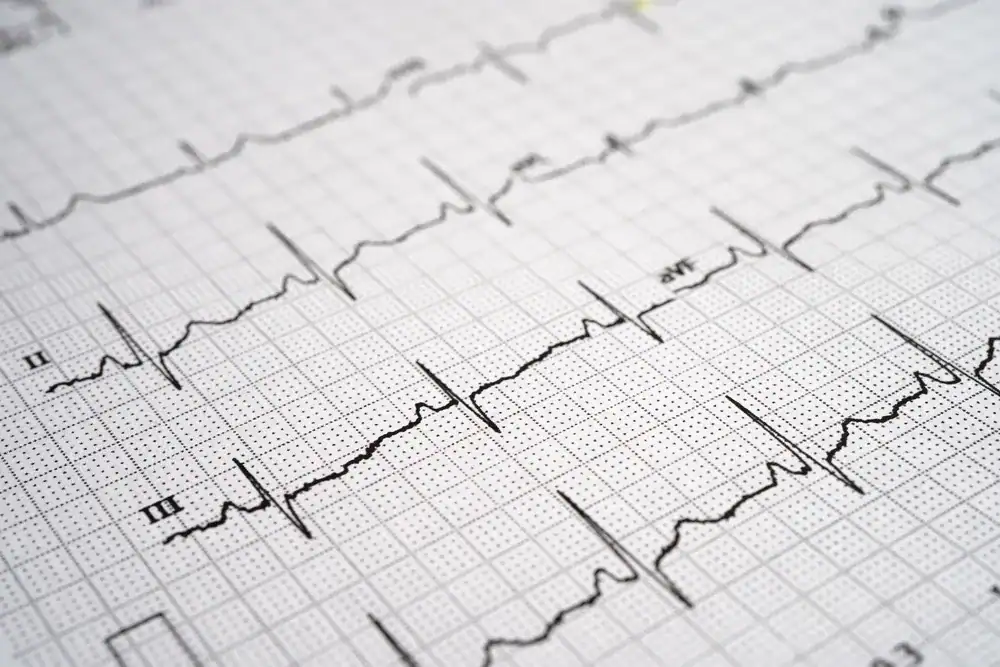
Every heartbeat is triggered by an electrical signal. An ECG captures these signals and displays them as wave patterns, allowing your cardiologist to assess your heart rhythm, heart rate, and overall cardiac function.
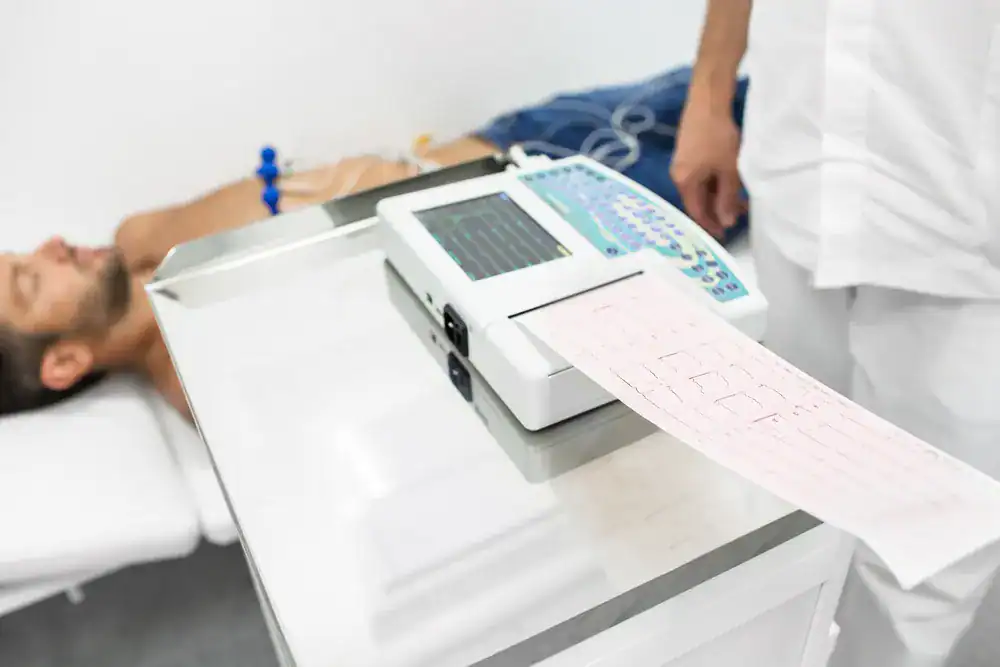
The test does not involve needles or radiation. Small sensors are placed on your chest, arms, and legs to detect electrical signals from your heart. The procedure usually takes only a few minutes.
As part of a heart check-up in Singapore, an ECG is one of the most commonly performed and important diagnostic tests. It helps identify rhythm disturbances, signs of heart muscle strain, and possible evidence of previous or ongoing heart attack.
Why Is an ECG Important?
The heart’s electrical system controls how efficiently it pumps blood throughout the body. When this system is disrupted, it can lead to symptoms such as:
- Chest discomfort
- Palpitations
- Shortness of breath
- Dizziness or fainting
- Unexplained fatigue
An ECG helps detect abnormalities that may be linked to heart disease symptoms or underlying structural problems.
It is particularly useful in evaluating:
- Irregular heart rhythms that can increase the risk of strokes
- Early warning signs of heart artery blockage
- Possible heart attack
- Electrical disturbances that may lead to cardiac arrest symptoms
For patients seeing a cardiologist in Singapore, an ECG is often one of the first investigations performed because it provides immediate and valuable information.
When Is an ECG Recommended?
An ECG may be advised if you:
- Experience chest pain or tightness
- Notice irregular or rapid heartbeats
- Have a history of high blood pressure or diabetes
- Have a family history of sudden cardiac events
- Are undergoing a routine heart check-up in Singapore
- Are preparing for certain surgical procedures
Even if symptoms are mild, an ECG can help rule out serious conditions or guide further testing.
In some cases, it is performed as part of an emergency assessment when a heart attack or serious rhythm disturbance is suspected.
How Is an ECG Performed?
The procedure is straightforward and comfortable.
You will lie down while small adhesive electrodes are placed on specific areas of your chest, arms, and legs. These electrodes are connected to the ECG machine, which records your heart’s electrical activity.
The test typically takes five to ten minutes. You will be asked to remain still and breathe normally during the recording.
There is no discomfort apart from the mild sensation of electrode removal afterwards. You may resume normal activities immediately.
Results are available instantly and are reviewed by your Singapore cardiologist, who will explain the findings clearly.
What Can an ECG Detect?
Heart Rhythm Abnormalities
Evidence of Previous Heart Attack
Signs of Reduced Blood Supply
Electrical Conduction Problems
The heart’s electrical pathways can sometimes slow down or become blocked. An ECG helps identify these issues.
While an ECG is highly useful, it may sometimes appear normal even if symptoms are present. In such cases, further investigations such as stress testing or imaging may be recommended.
ECG as Part of a Complete Heart Evaluation
An ECG is often combined with other diagnostic tools to provide a comprehensive picture of your cardiovascular health.
Depending on your symptoms and risk profile, your cardiologist in Singapore may recommend:
- Blood tests
- Echocardiography
- Stress testing
- Advanced imaging studies
A structured assessment ensures that potential concerns such as heart artery blockage are properly evaluated and managed.
For many patients, an ECG provides reassurance. For others, it allows early detection and timely intervention.
Care at Dr Gerard Leong Cardiology
At Dr. Gerard Leong Cardiology, ECG testing is performed as part of a thorough and personalised cardiac assessment. Results are reviewed carefully and explained in clear terms, so you understand what they mean for your health.
If you have concerns about heart disease symptoms or would like a preventive heart check-up in Singapore, arrange a consultation for timely evaluation and expert guidance tailored to your cardiovascular risk.
Frequently Asked Questions
Is an ECG painful?
How long does the test take?
Can an ECG detect blocked arteries directly?
An ECG does not directly visualise blocked arteries. However, certain changes may suggest reduced blood flow to the heart muscle.