
Cardiac Stress Test
What Is a Cardiac Stress Test?
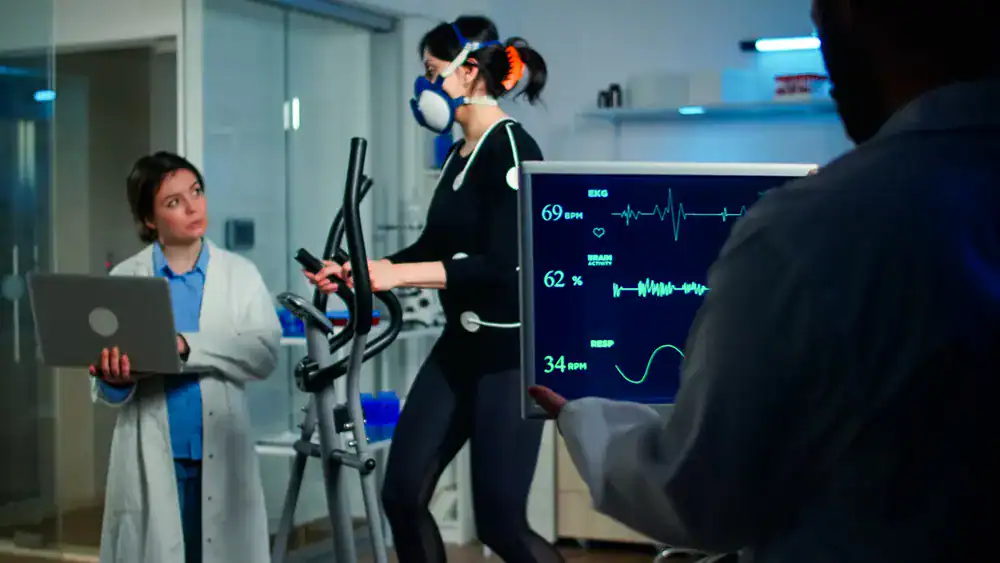
A cardiac stress test evaluates how your heart performs under physical exertion. While many heart conditions may not be obvious at rest, they can become apparent when the heart is working harder.
During a stress test, your heart rhythm, heart rate, blood pressure, and overall response to exercise are closely monitored. The test helps your cardiologist assess whether your heart receives sufficient blood flow during increased activity and your heart’s electrical response to exercise.
For patients undergoing a heart check-up in Singapore, a stress test is often recommended when there are symptoms suggestive of reduced blood supply to the heart.
Why Is a Stress Test Important?
At rest, the heart may function normally even if there is underlying narrowing of the coronary arteries. However, when you exercise, the heart requires more oxygen-rich blood. If there is heart artery blockage, this increased demand may reveal abnormalities.
A stress test is particularly useful in evaluating:
- Symptoms of blocked arteries
- Chest discomfort during activity
- Breathlessness on exertion
- Palpitations triggered by exercise
- Fatigue that worsens with physical effort
- Cardiac cause of palpitations
It also plays a role in safe exercise prescription as part of assessing recovery phase after a heart attack and in monitoring known coronary artery disease.
By identifying reduced blood flow early, timely treatment can be initiated before more serious complications develop.
When Is a Stress Test Recommended?
Your cardiologist in Singapore may advise a stress test if you:
- Are being evaluated for possible heart artery blockage
- Have an abnormal ECG at rest
- Have persistent heart disease symptoms
- Have risk factors for coronary artery disease (CAD) such as high cholesterol, diabetes, or smoking
- Have a family history of premature coronary artery disease
- Require assessment before starting an exercise programme as part of safe exercise prescription
In some cases, a stress test is part of a comprehensive heart check-up evaluation for individuals at moderate cardiovascular risk.
It provides valuable information beyond what resting tests can show.
How Is the Test Performed?
A standard cardiac stress test involves monitored exercise on a treadmill.
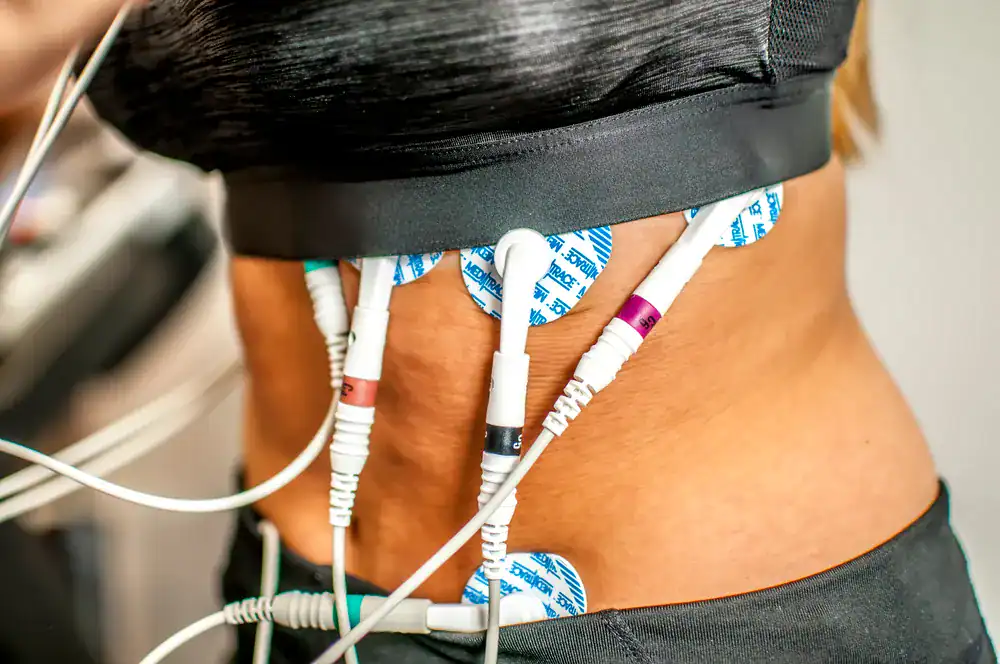
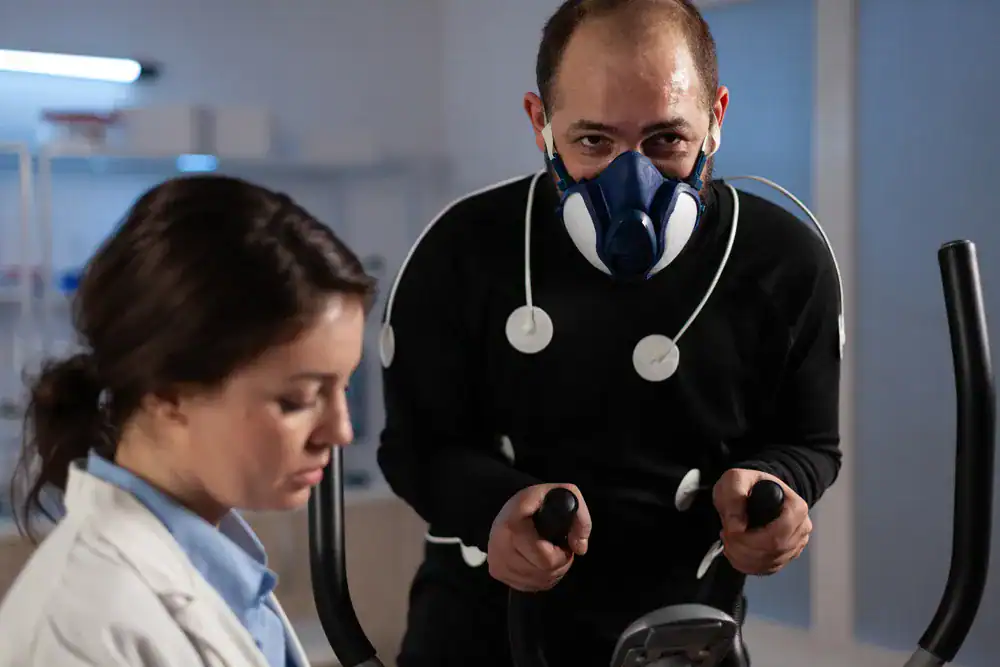
Before starting, small external electrodes are placed on your chest to record your heart’s electrical activity. Your blood pressure and heart rate are also measured throughout the test.
You will begin exercising at a gentle pace. The intensity gradually increases at 3 minute intervals while your BP, heart rhythm, and symptoms are closely monitored.
The test typically lasts between 6 and 15 minutes, depending on your fitness level and clinical indication.
In stress echocardiography, there is added trans-thoracic echocardiography (TTE) assessment at rest and at peak stress.
The test is supervised by trained medical staff, and it is stopped immediately if concerning changes occur or if you feel unwell.
After completion, you will be monitored during recovery before being discharged.
What Can a Stress Test Detect?
Reduced Blood Flow to the Heart
Exercise-Induced Arrhythmias
Exercise Tolerance
Symptoms Correlation
Is a Stress Test Safe?
For most patients, a stress test is safe and well tolerated.
The procedure is conducted in a controlled medical setting with continuous monitoring. If you experience chest pain, dizziness, or significant discomfort, the test is stopped immediately.
Your heart specialist in Singapore will assess your suitability for the test before proceeding.
Stress Test as Part of a Complete Cardiac Evaluation
A stress test is often combined with other investigations to provide a comprehensive assessment of cardiovascular health.
These may include:
- Blood tests
- Electrocardiogram
- Trans Thoracic Echocardiography (TTE)
- Advanced heart imaging if heart artery blockage is strongly suspected
Together, these tests allow your cardiologist to make well-deliberated decisions regarding diagnosis and management.
Personalised Evaluation at Dr Gerard Leong Cardiology
At Dr. Gerard Leong Cardiology, cardiac stress testing forms part of an evidence-based, structured, and personalised evaluation of your cardiovascular health. Findings are analysed carefully alongside your symptoms, risk profile, and overall clinical picture.
A properly supervised stress test reveals how your heart responds to exertion and helps determine whether further investigation or treatment is required.
Arrange a consultation for focused assessment and expert guidance.