
Blood Tests for Heart Health

What Is a Blood Test?
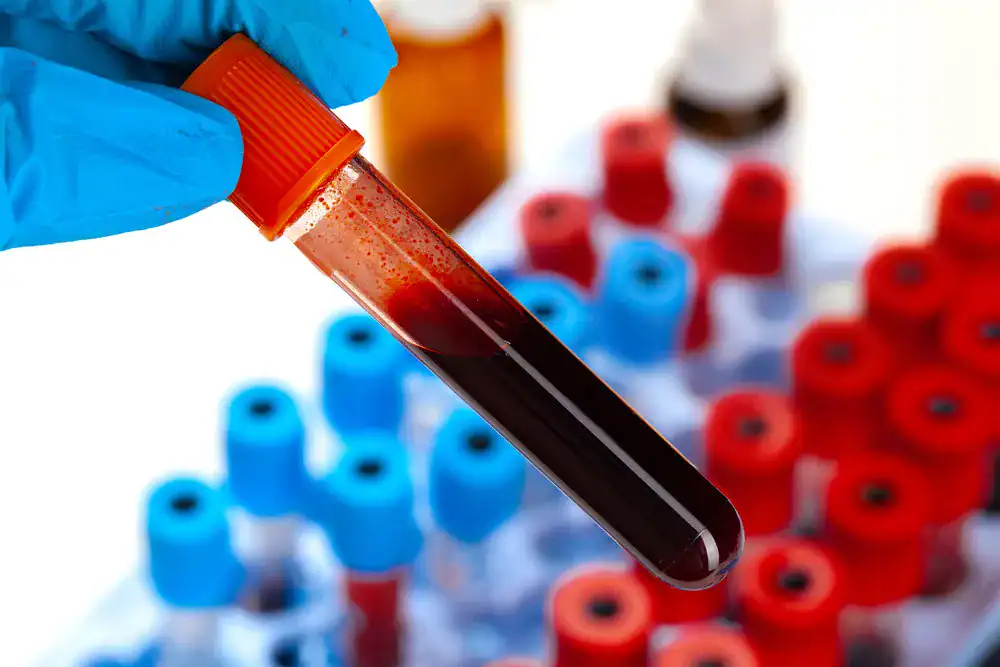
A blood test is a simple medical investigation that involves taking a small sample of blood, usually from a vein in your arm, to analyse specific substances circulating in your bloodstream.
In cardiology, blood tests are used to assess factors that influence your heart and blood vessels. These include cholesterol levels, blood sugar, markers of inflammation, and in certain cases, substances released when the heart muscle is under stress or injured.
Although the procedure itself is straightforward, the information it provides can be highly valuable. A blood test allows your cardiologist to evaluate your cardiovascular risk even before symptoms become obvious.
For patients seeking a heart checkup in Singapore, blood testing is often one of the first and most important steps in understanding overall heart health.
Why Blood Tests Matter for Your Heart
Many cardiovascular conditions develop gradually and without early warning signs. It is possible to feel completely well while risk factors such as high cholesterol or diabetes quietly increase the likelihood of heart artery blockage.
Blood tests help detect these hidden risks early.
Your cardiologist in Singapore may recommend blood testing if you:
- Experience chest discomfort, breathlessness, palpitations, or unusual fatigue
- Have a family history of heart disease
- Have high blood pressure or diabetes
- Are concerned about symptoms of blocked arteries
- Wish to undergo preventive heart checkup Singapore screening
In urgent situations, blood tests can also help assess whether symptoms may be related to a recent heart attack or other serious cardiac concerns.
Early identification allows for timely management and prevention.
What Do Cardiac Blood Tests Measure?
Cardiac blood investigations focus on key markers linked to cardiovascular health. The exact tests depend on your individual risk profile and clinical presentation.
Cholesterol Profile
A standard lipid profile measures:
- Total cholesterol
- LDL cholesterol, which contributes to plaque formation in arteries
- HDL cholesterol, which offers protective benefits
- Triglycerides, which may reflect one’s cardio-metabolic health status
Elevated LDL cholesterol is strongly associated with heart artery blockage and stroke risk over time.
As clinically indicated, an advanced lipid panel may be needed to further delineate cardio-vascular risk profile
Blood Sugar
Cardiac Biomarkers
Inflammatory and Organ Function Markers
Inflammation contributes to the development of atherosclerosis. Additional tests may assess inflammatory markers as well as kidney and liver function, particularly if medication is being considered.
Your heart specialist in Singapore interprets all results in the context of your symptoms and overall cardiovascular risk.

When Should You Consider a Cardiac Blood Test?
- You are over 40 and have not had recent cardiovascular screening
- You have newly developed heart disease symptoms
- You have risk factors such as smoking, obesity, hypertension, or diabetes
- You are undergoing or are scheduled to undergo systemic therapy for cancer treatment.
- You are monitoring cholesterol or blood pressure treatment
- You would like reassurance about your heart health
What to Expect During the Test
The procedure is quick and minimally invasive.
A small blood sample is taken from a vein in your arm. The process typically takes less than ten minutes. Most tests do not require fasting, however for certain select tests, fasting for eight hours are required.
Most patients experience only mild discomfort. You may resume normal activities immediately afterwards.
Results are usually available within 2 hours to a few working days. During your consultation, your cardiologist will explain the findings clearly and discuss any recommended next steps.
What Happens After Your Results?
Your results guide personalised recommendations.
Depending on your cardiovascular profile, this may include:
- Dietary adjustments
- Exercise and weight management guidance
- Medication to lower cholesterol, blood pressure or blood sugar to reduce cardiovascular risk
- Further investigations if heart artery blockage is suspected
For many patients, results provide reassurance. For others, they allow early intervention before more serious conditions develop.
The goal is long-term heart protection.
Personalised Care at Dr. Gerard Leong Cardiology
At Dr. Gerard Leong Cardiology, blood tests are part of a comprehensive and carefully considered cardiac assessment. Each result is reviewed in detail and explained clearly, allowing you to make informed decisions about your health.
If you have concerns about your cardiovascular health or wish to undergo preventive screening, consult today for a structured heart check-up in Singapore and receive clear, expert-led guidance tailored to your individual risk profile.